
The Jute Industry
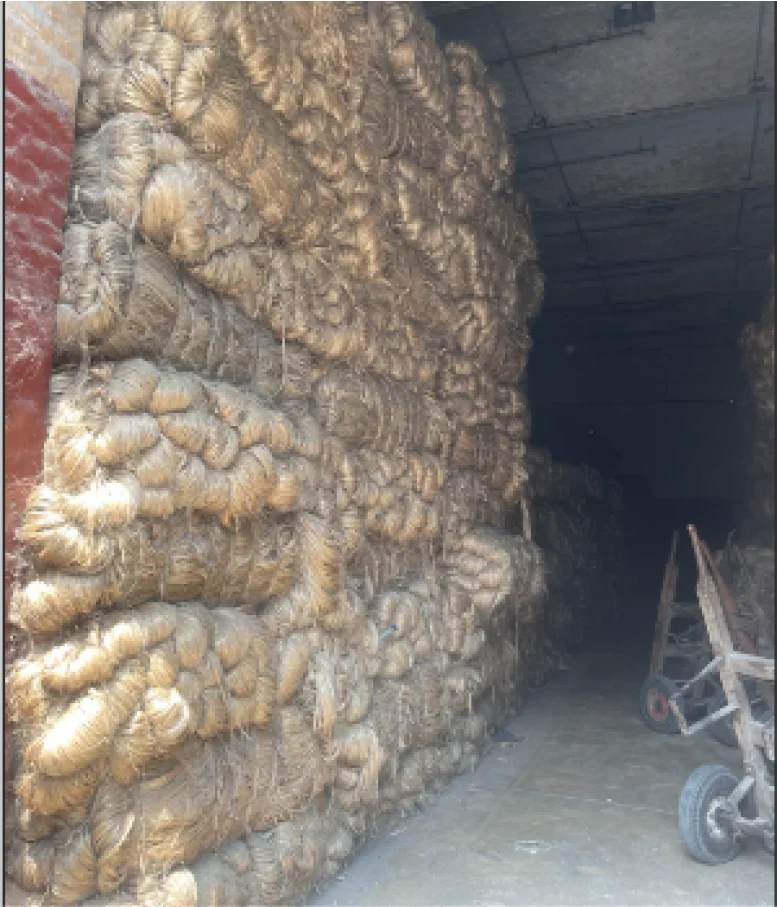
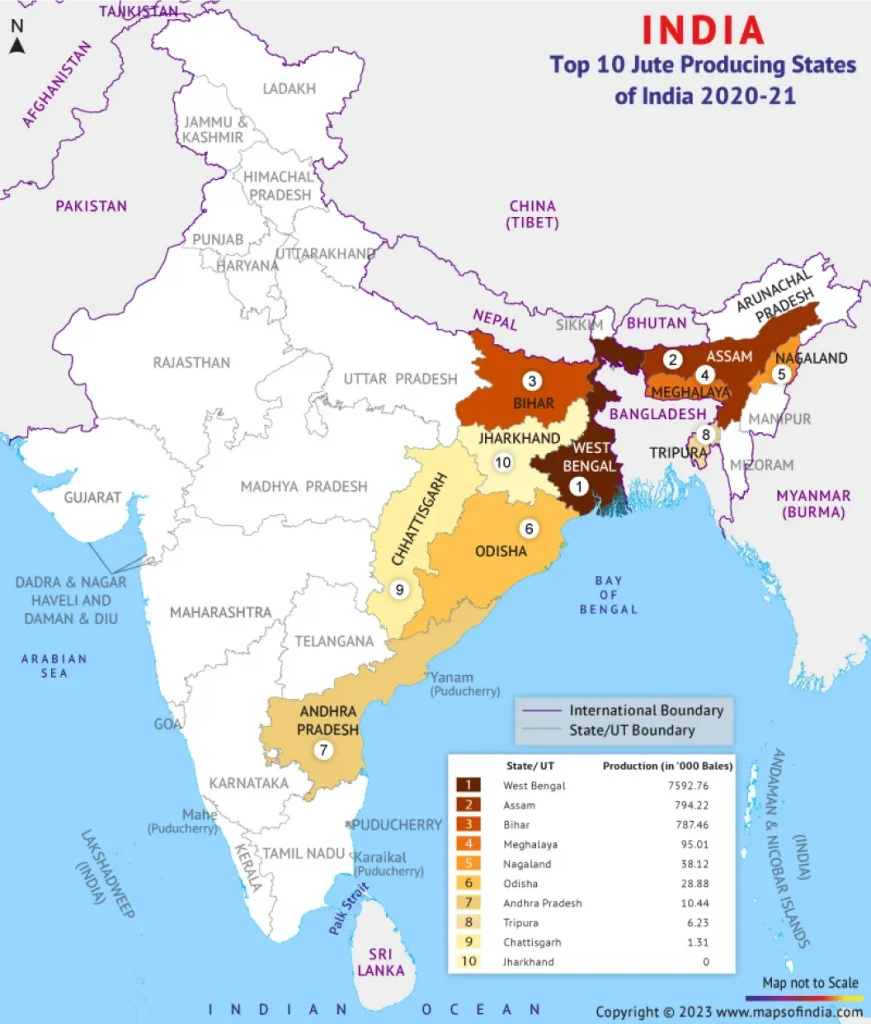
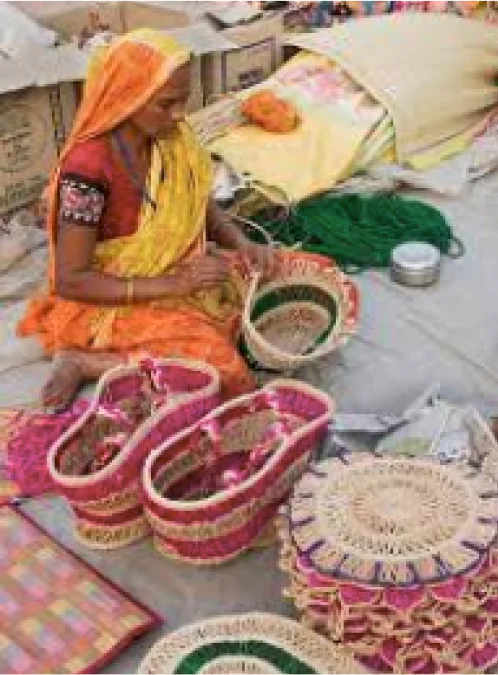
The jute industry in West Bengal is one of the oldest and most prominent industries in India. Due to its geographical proximity to the Hooghly river and favourable climate., West Bengal is the largest producer of jute in India. The industry employs 3,50,000 workers and occupies over 800,000 hectares of land for jute cultivation. Jute is essential for the Indian Economy as well. It is a renewable, natural, biodegradable and eco-friendly product. Various forms of jute can be produced making it a versatile product in the Indian market. It can be used as hessian, sacks, food-grade cloth, shopping bags and decorative fabrics. Furthermore, India accounts for 75% of jute production globally. This shows the large influence jute has on the economy and the high average domestic consumption of 90% is testament to the same.
The Jute Industry near the Hooghly
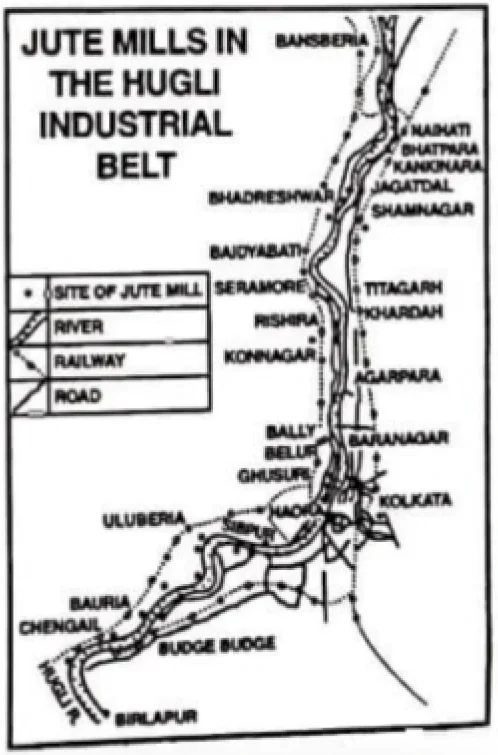
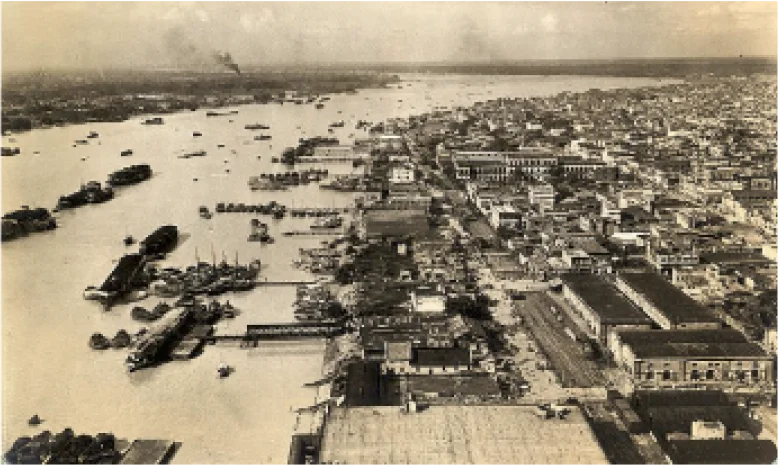
The first jute mill started production in Bengal in 1856 at Rishra on the Hooghly river. Since then the industry has grown exponentially, becoming integral to the history and values of West Bengal. Moreover, the Hooghly River has served as a large supporter of the Jute industry, it being one of the largest reasons for the high concentration of jute mills in the region. Most mills since the first one are all situated on the banks of the hooghly river. The river along with the jute industry has played a key role in the economical, social and cultural development of Kolkata and West Bengal.
Importance of the Hooghly for the establishment of the Jute Industry
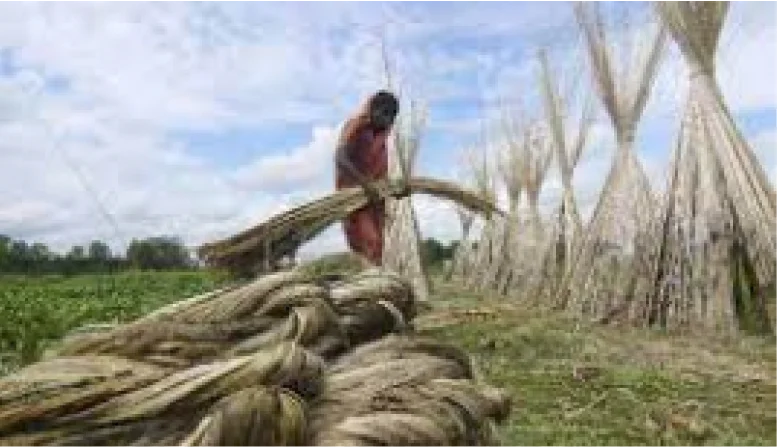
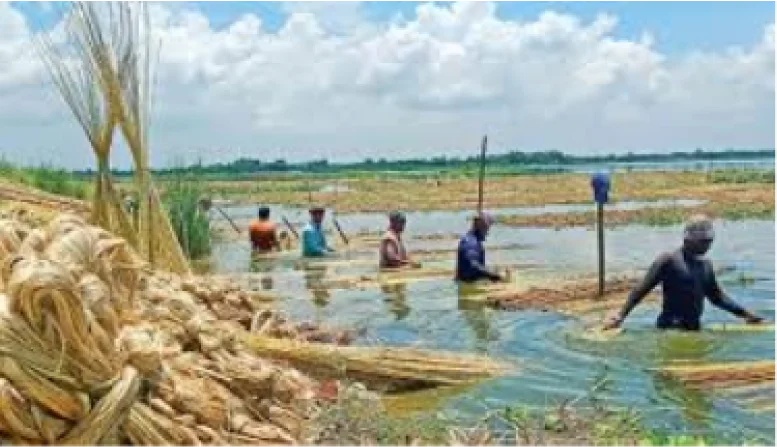
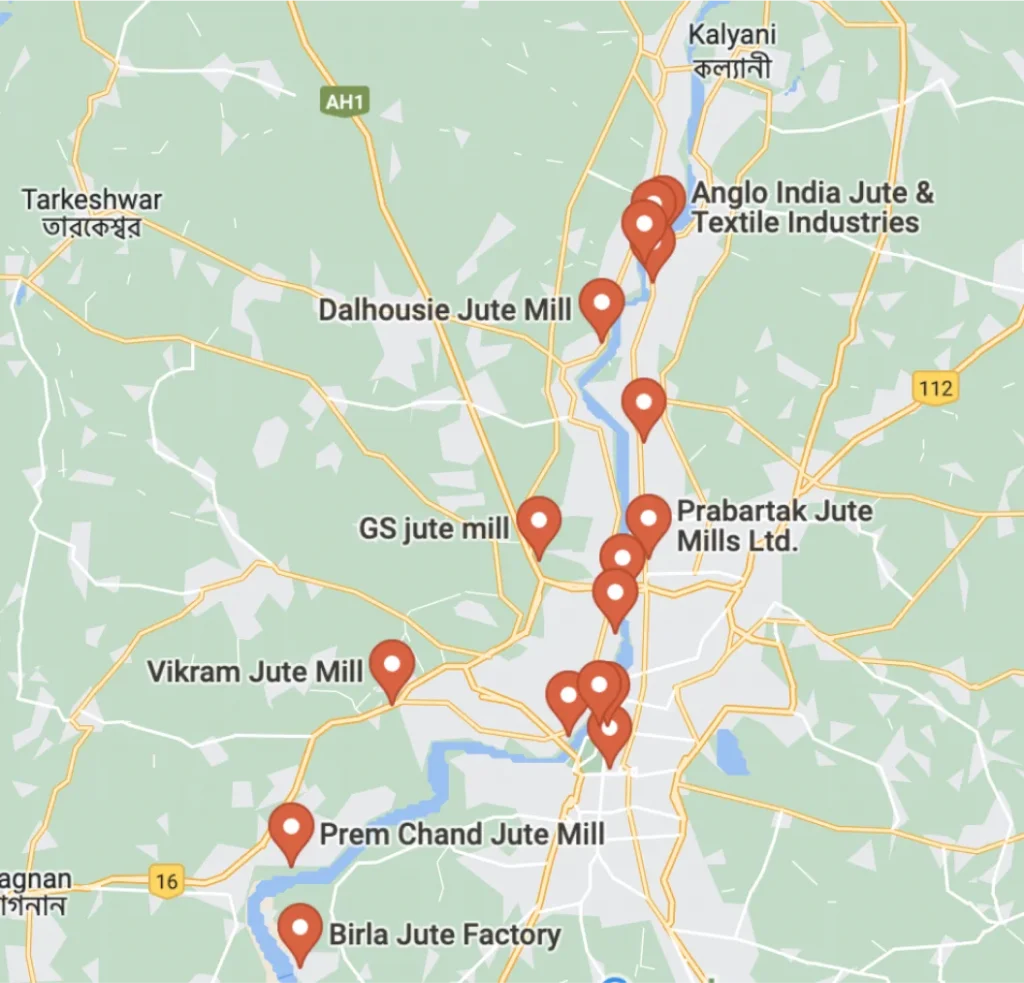
As seen in the pictures, jute mills and the cultivation of jute are concentrated in the Hooghly river basin. It has played a significant role in the jute industry both in the past and the present.
The Hooghly river basin is an extremely fertile land due to the drainage from the river. This is ideal for jute which should be grown on the floodplains which are renewed due to th Hooghly and the monsoon season. Moreover, the presence of waterways and ports through the hooghly river were helpful in the movement of raw materials and finished goods which helped the jute industry flourish. The river meant abundant water supply for the cultivation and processing of raw jute and washing of the product. These are just some of the factors that highlight the importance of the Hooghly river and basin in the establishment of the Jute industry.
History of jute trade using the Hooghly
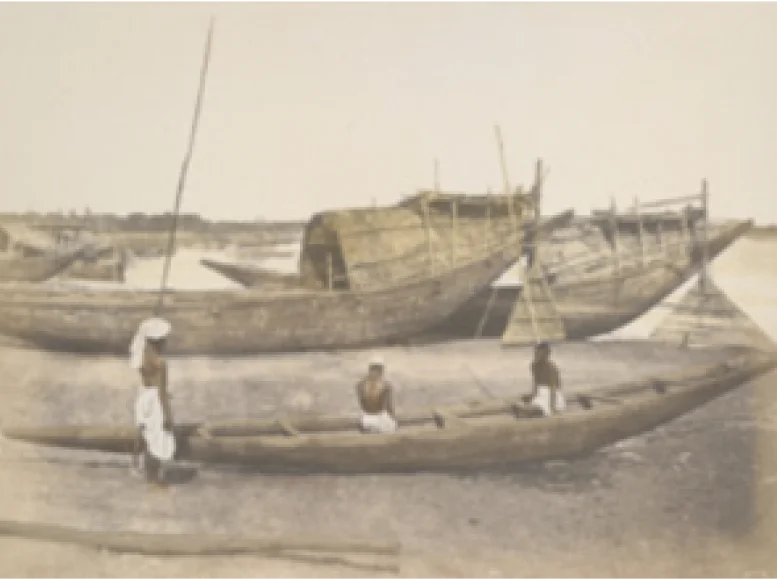
The British East India Company was the first jute trader. They traded mainly in raw jute during the 19th century. Margaret Donnelly who was a jute mill landowner in Dundee, was the one to set up jute mills in India. They mainly used ships for transporting the jute exports. This is where the Hooghly River became important. It was the main transportation infrastructure for the jute industry. This made West bengal and Calcutta large hubs for the jute industry. The first jute mill was established at Rishra, on the River Hooghly near Calcutta in 1855 when Mr. George Acland brought jute spinning machinery from Dundee. Four years later, the first power driven weaving factory was set up. In the following three decades, the jute industry in India enjoyed even more remarkable expansion, rising to commanding leadership by 1939 with a total of 68,377 looms, concentrated mainly on the River Hooghly near Calcutta. These mills alone have proved able to supply the world demand.
Use of the hooghly for jute trade today
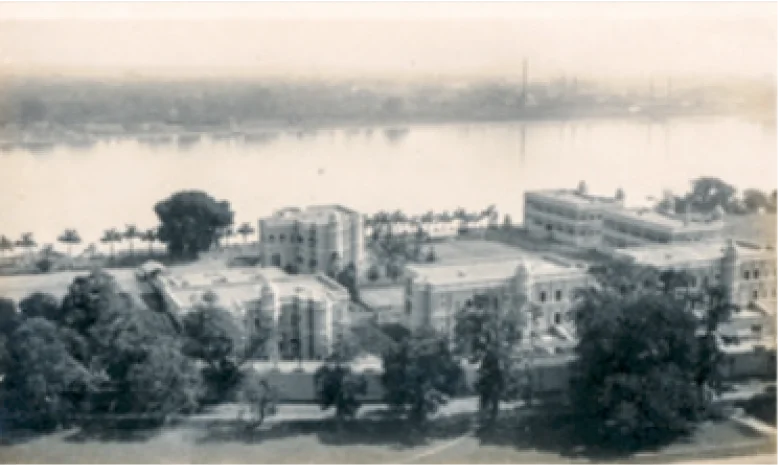
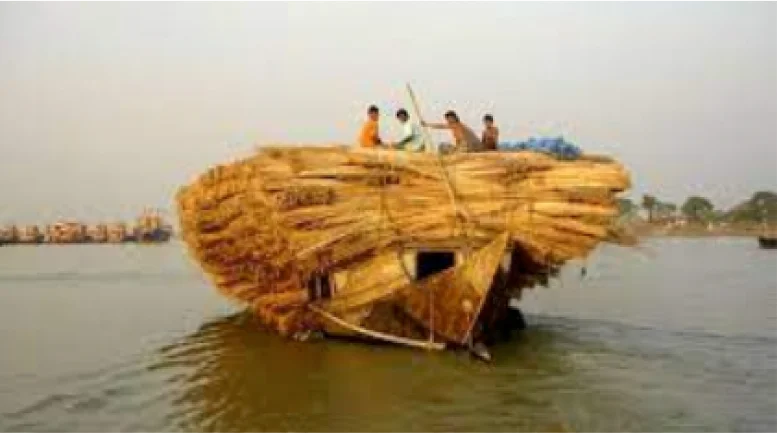
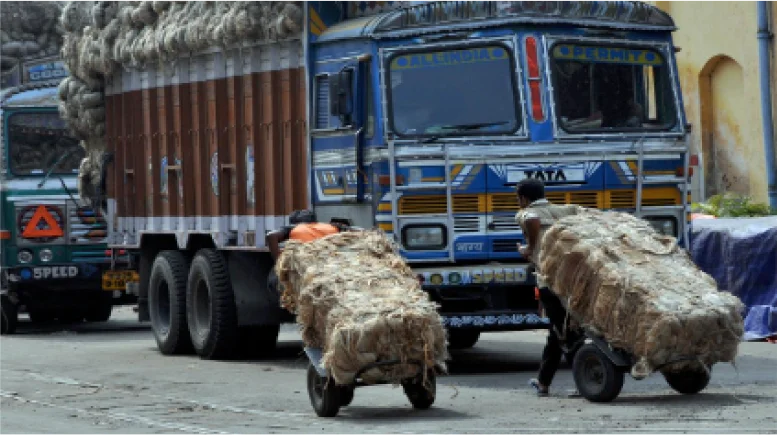
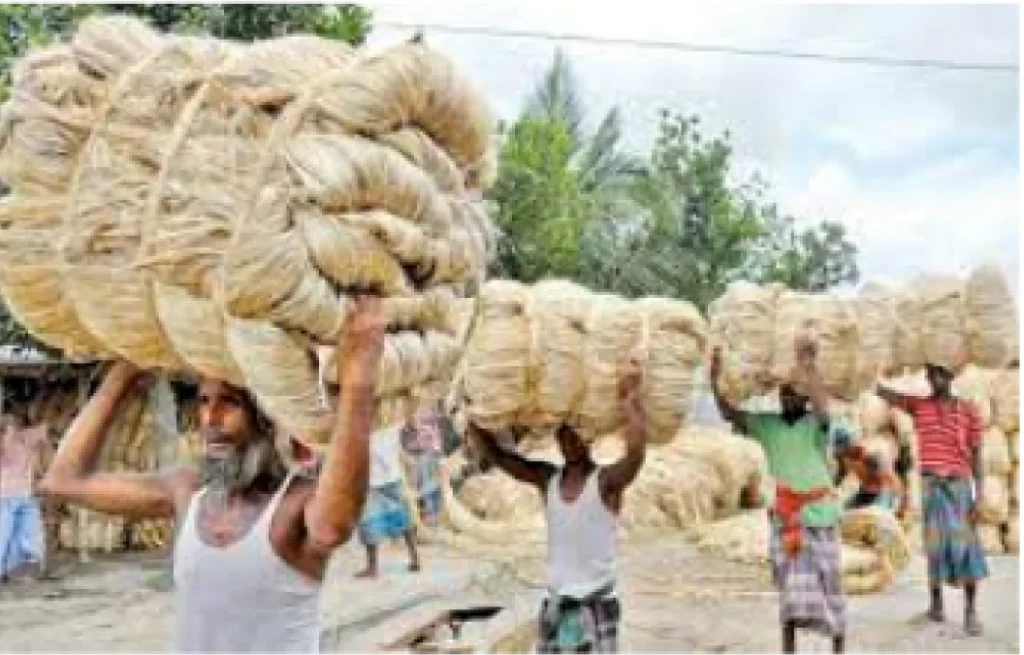
The Hooghly RIver is still an important means of transporting jute to other parts of India as well as nearby countries through direct access into the Bay of Bengal. However, after the fall of the British, the jute industry suffered economically which has reduced confidence of shipping companies to export jute. This was due to the slow exports of jute after 1947. Hence, more jute was transported by road. Now, due to the slow revival of jute, more companies are becoming more open to this proposition. This would reduce transportation costs to Rs.3300 as opposed to rs.9000. The export of jute from India using the Hooghly River typically takes 3-4 days. The jute is loaded onto barges or ships at Kolkata port and then transported downriver to the Bay of Bengal. From there, the jute is shipped to other countries around the world. The main ports used for the export and import of jute are Kolkata port and Haldia port. Moreover, the total value of the jute trade through the Hooghly River is estimated to be around $1 billion per year.
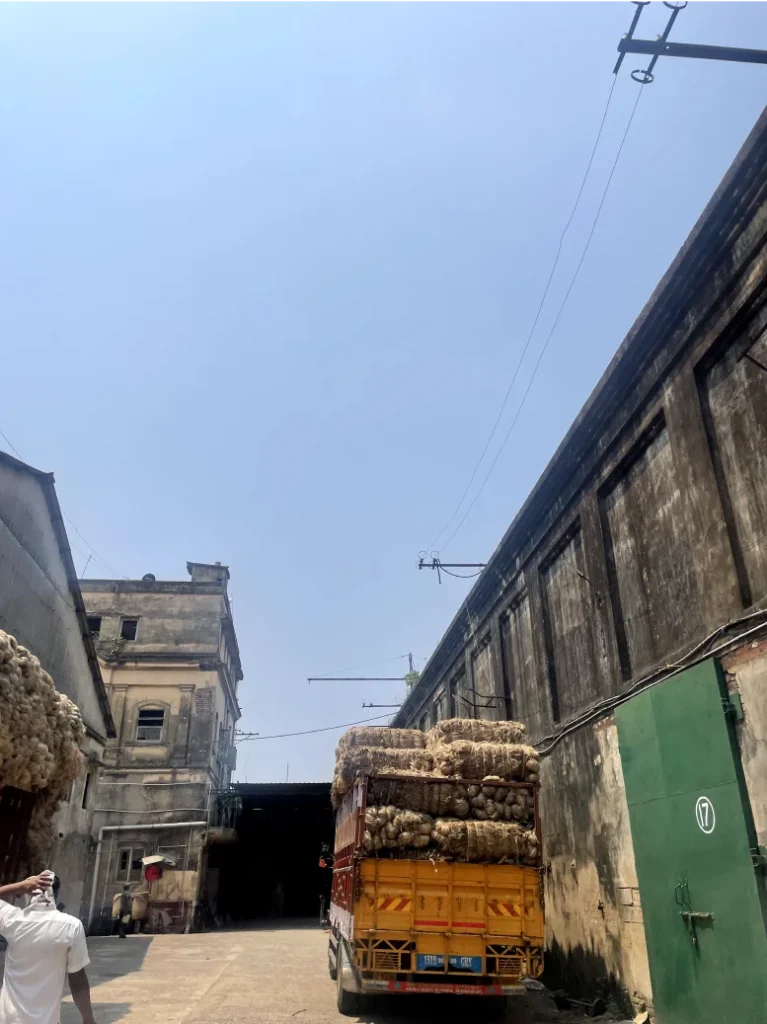
Transportation of jute
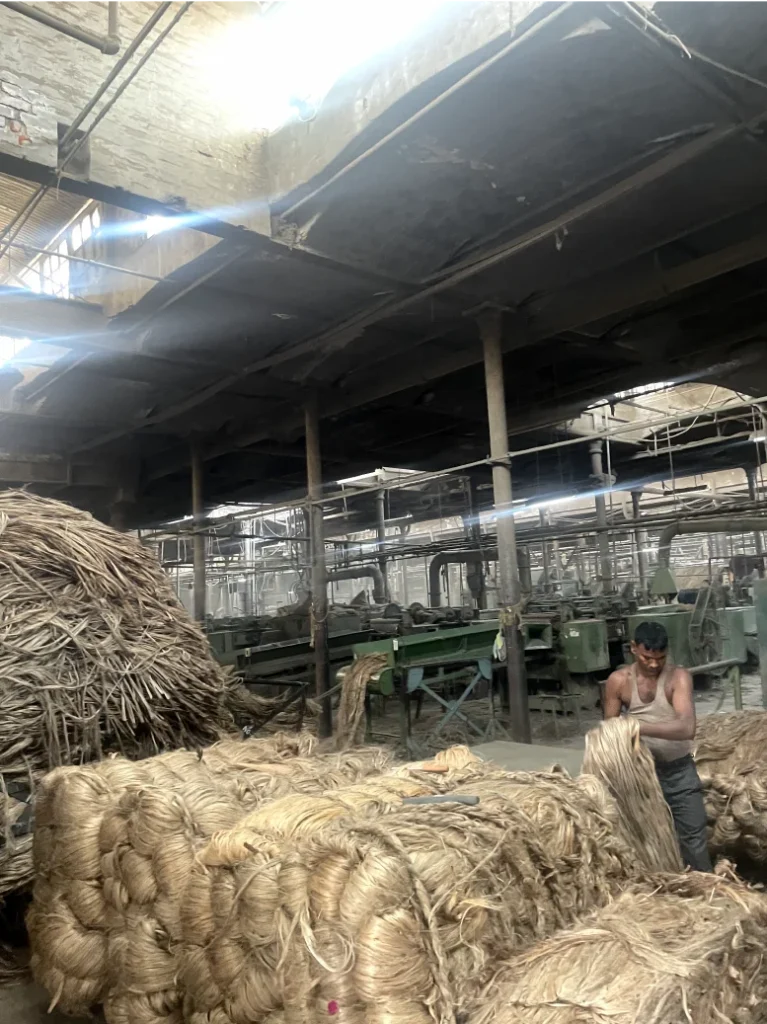
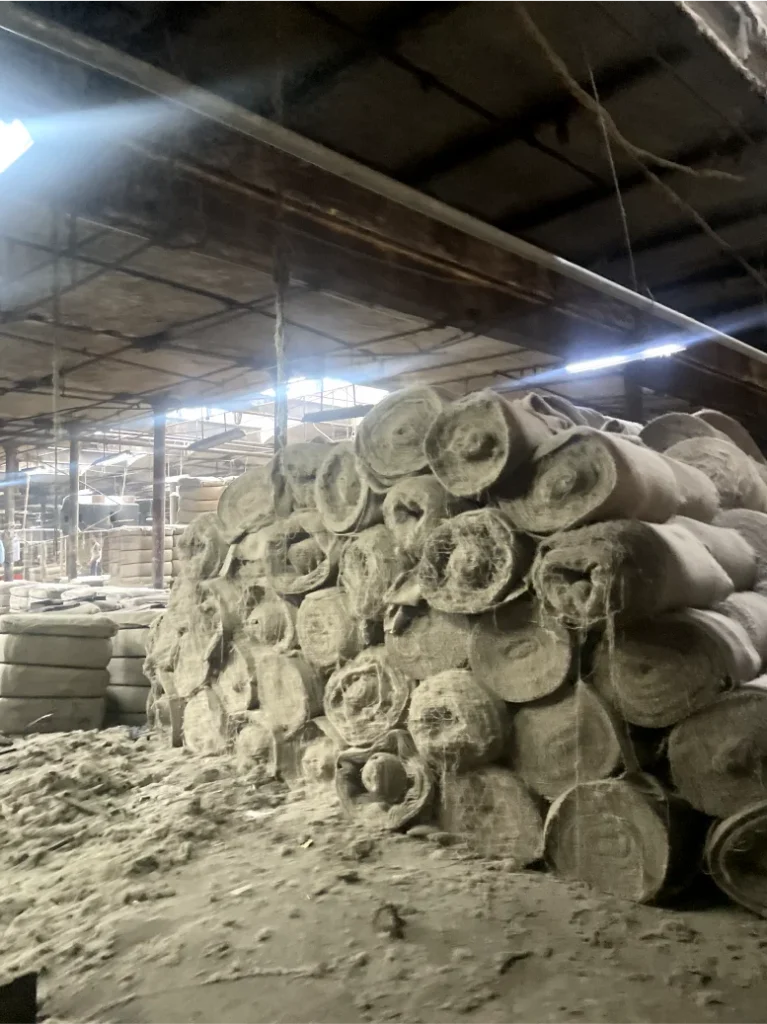
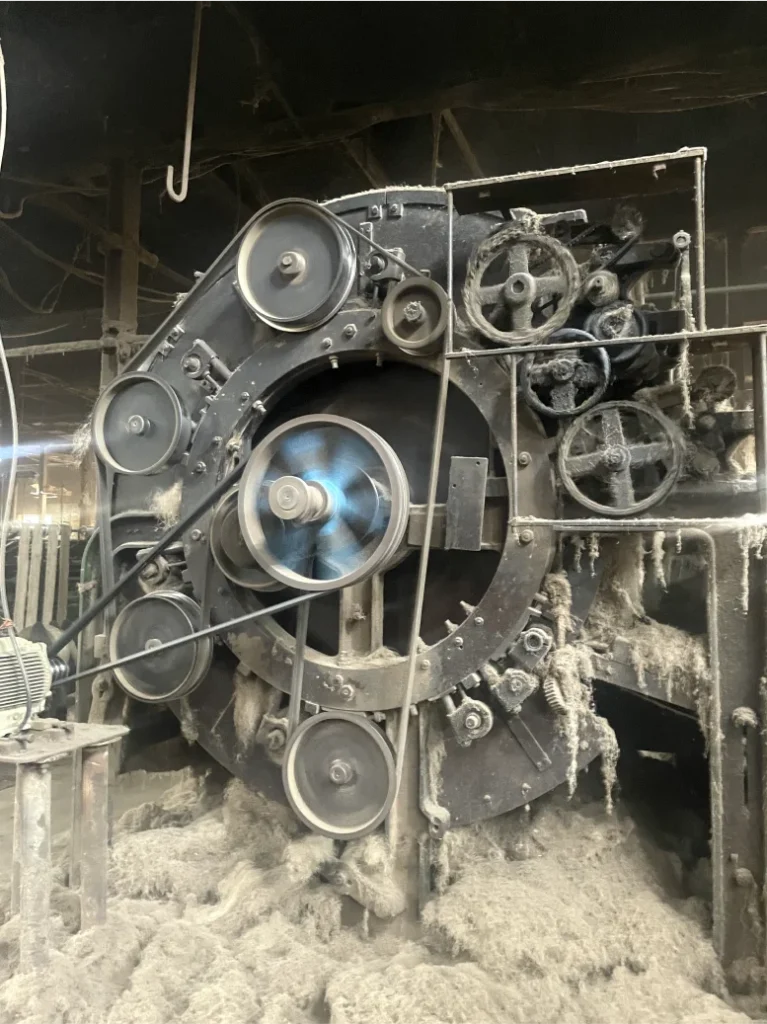
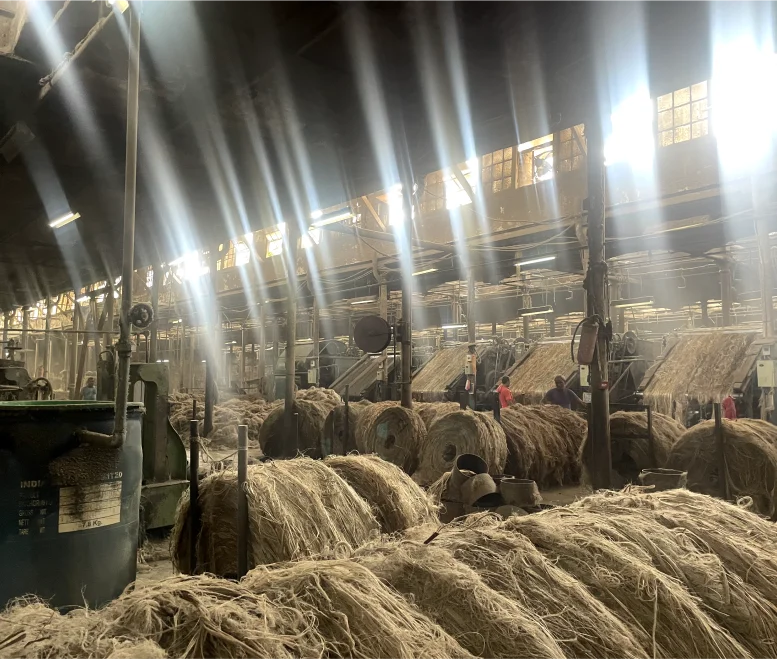
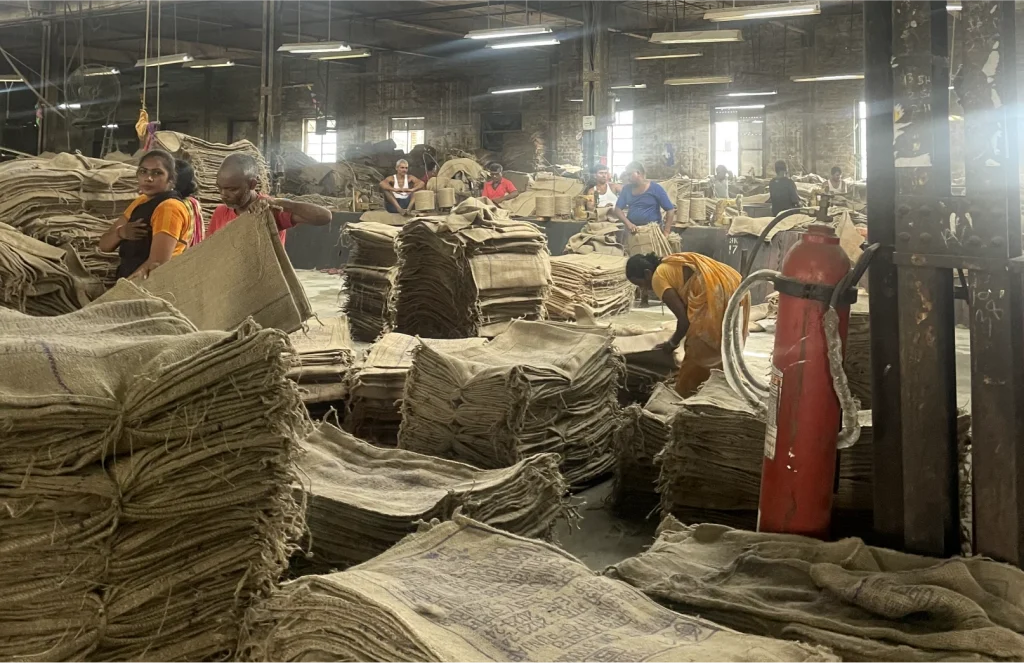
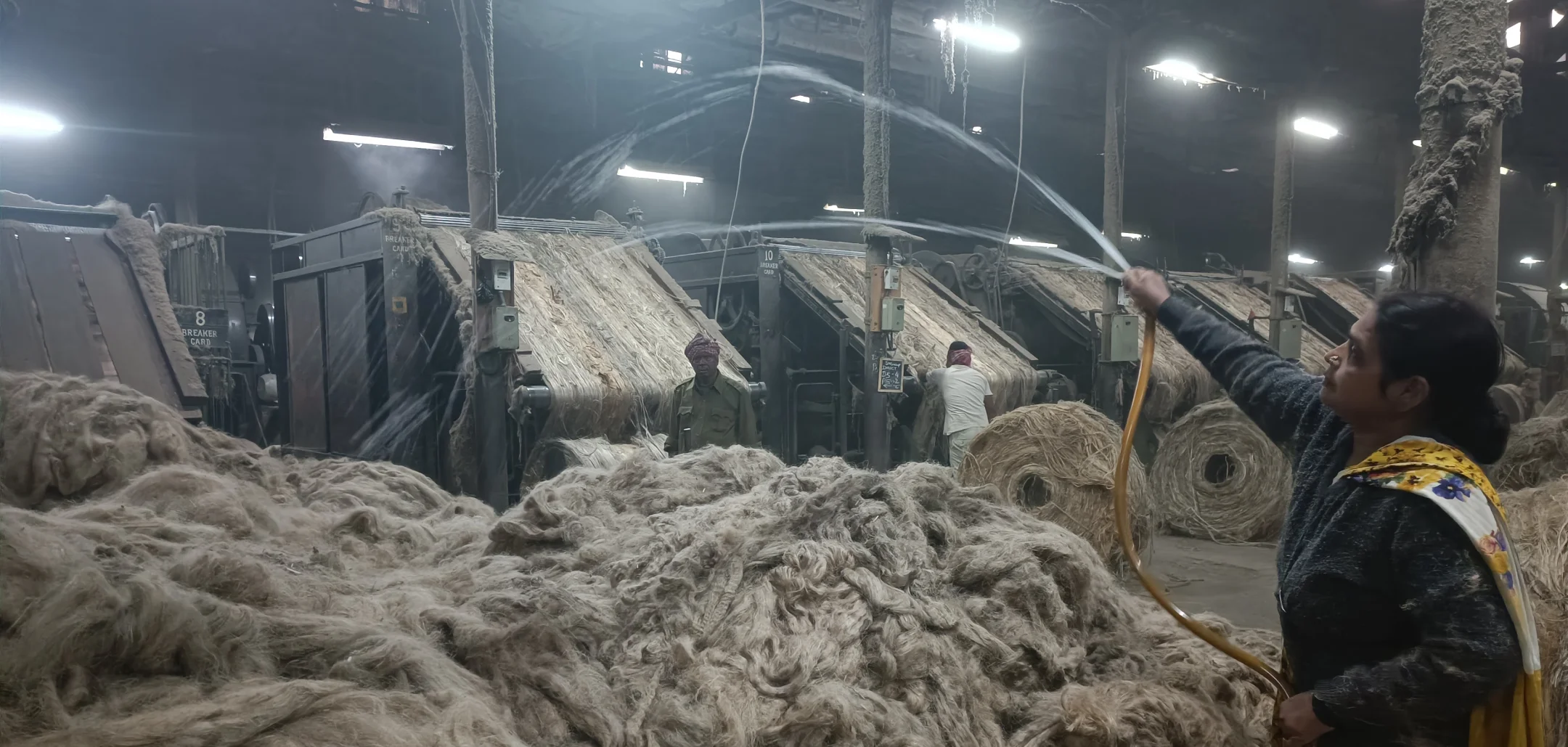
A visit to the Jute mill
IMPORTANCE OF WATER
Water is of paramount importance in jute cultivation. As a water-intensive crop, jute relies on adequate water supply for seed germination, healthy growth, and high-quality fiber production. From supporting nutrient uptake to enabling proper retting during fiber extraction, water plays a vital role in every stage of jute cultivation, ensuring optimal yield and fiber quality. Proper water management is essential to sustain this vital crop and maintain its economic and ecological significance.
Some specific water usage numbers for jute production are :
Irrigation: Jute requires about 500 mm of water per year.
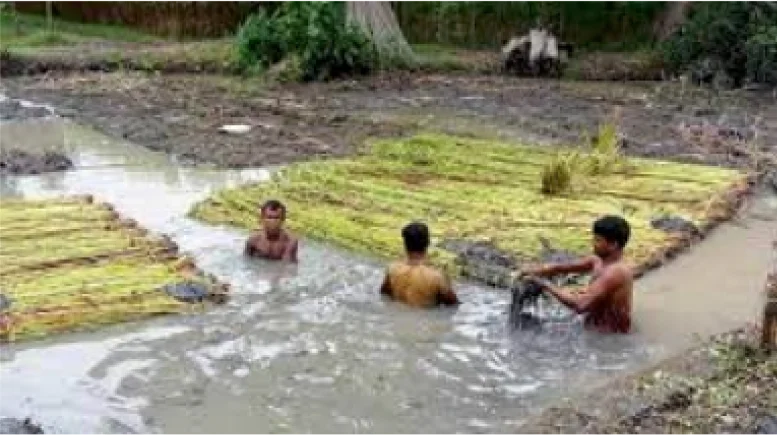
Retting: The retting process can use up to 1000 liters of water per tonne of jute fiber.
Processing: The processing of jute fiber can use up to 200 liters of water per tonne of jute fiber.
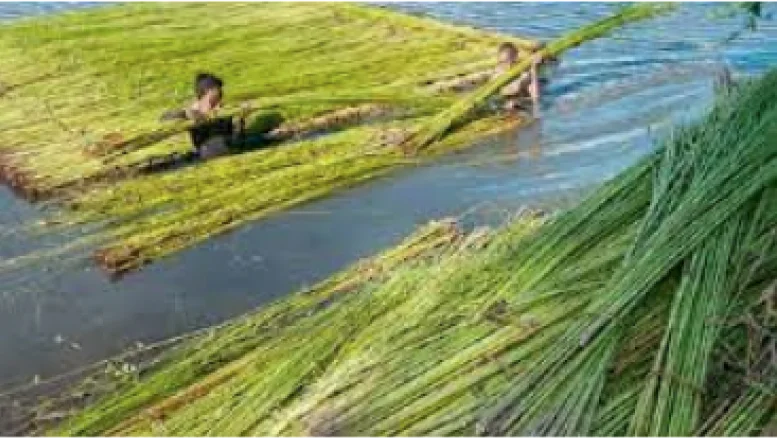
Use of water in cultivating jute
USE OF WATER
Some specifics of water usage in jute production and cultivation are –
Irrigation: Jute requires a consistent and sufficient supply of water throughout its growth cycle. In areas with erratic rainfall patterns or insufficient natural water sources, farmers use irrigation methods to ensure a steady water supply. Irrigation can be done through various techniques such as surface irrigation, sprinkler irrigation, and drip irrigation, depending on the availability of water resources and local farming practices.
Germination: During the germination stage, jute seeds need adequate moisture to soften the seed coat and initiate the sprouting process. Proper moisture levels in the soil enable the seeds to imbibe water, activate enzymes, and promote cell division, leading to successful germination and the establishment of healthy seedlings. Growth and Vegetative Stage: Water is essential for sustaining the rapid growth and development of jute plants during the vegetative stage. It acts as a solvent, facilitating the uptake of essential nutrients from the soil through the plant’s root system. These nutrients, combined with water and sunlight, fuel the process of photosynthesis, where the plant converts carbon dioxide into carbohydrates and oxygen.
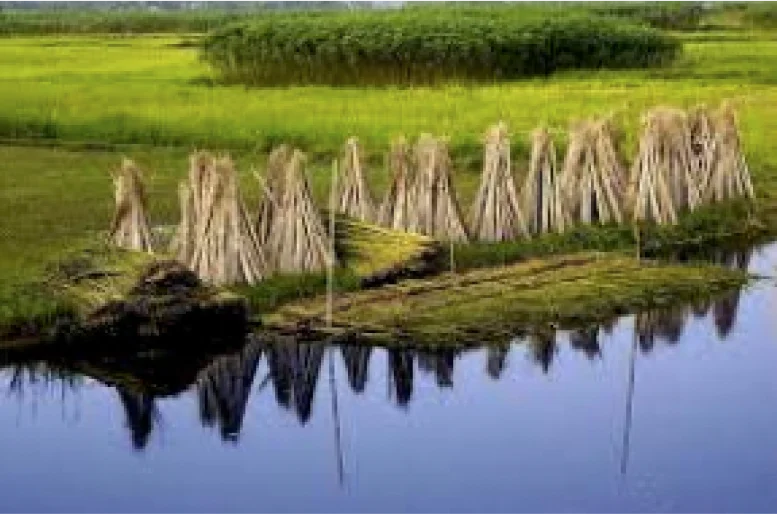
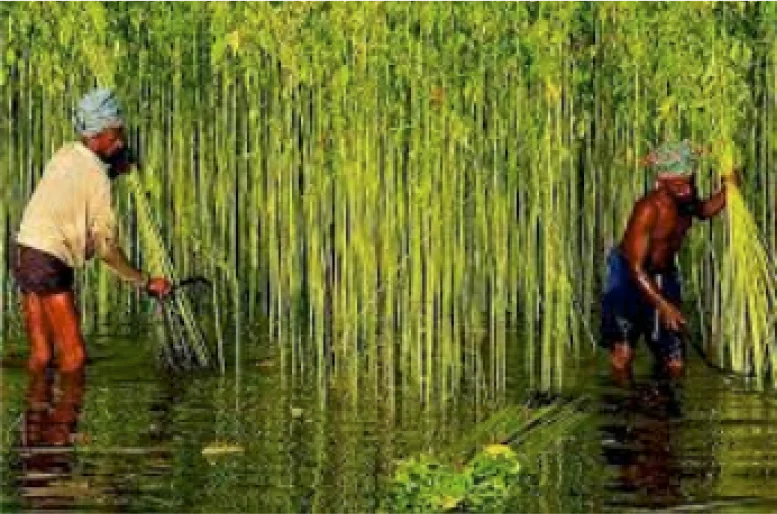
Fiber Quality: The quality of jute fibers is significantly influenced by the availability of water during the growing season. Insufficient water supply can result in stunted growth and coarse fibers with lower commercial value. Conversely, a consistent and balanced water supply contributes to the development of long, strong, and fine fibers, which are highly sought after in the jute industry.
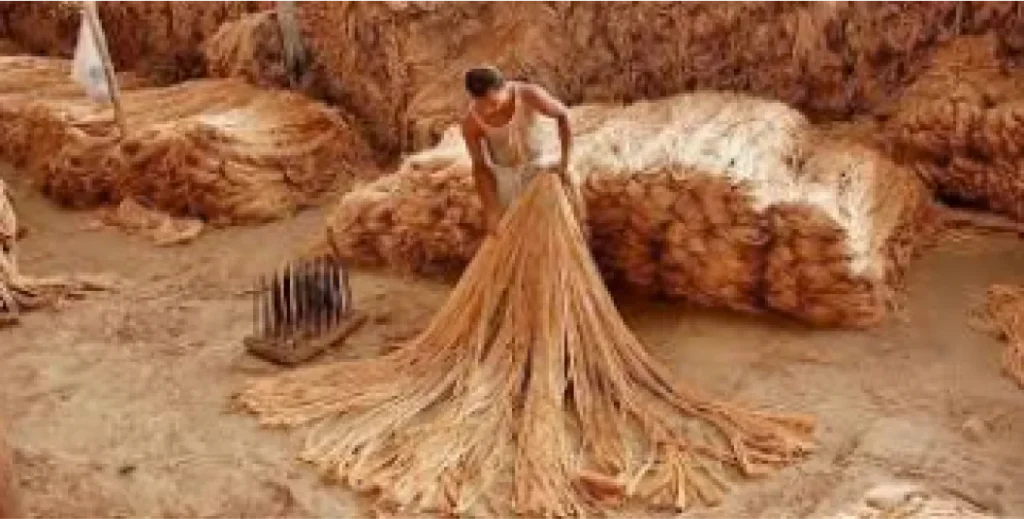
Water Retting: After harvesting, jute stems are subjected to a process called water retting, which is crucial for fiber extraction. In water retting, jute stems are submerged in water for a specific period, allowing microbial activity to break down the non-fibrous parts of the plant. This process loosens the fibers from the stem, making them easier to extract and resulting in higher-quality fibers. Pest and Disease Management: Proper water management can also contribute to pest and disease control in jute fields. Overwatering can create conditions suitable for the proliferation of pests and diseases, while under-watering can weaken the plants’ resistance to infestations. Maintaining the right moisture level in the soil helps achieve a balanced ecosystem and reduces the risk of pest and disease outbreaks.
Rain and Jute
The success of jute cultivation is highly influenced by the availability and distribution of rainfall. Proper water management, including rainwater harvesting and efficient irrigation practices, can help mitigate the impact of rainfall variability and promote sustainable jute production. The cultivation of jute is high reliant on rainfall patterns and reaches its peak in the monsoon months. Rainfall helps meet the water requirement and maintain soil moisture. Moreover, lack of rainfall in the region can lead to stunted growth and coarser fibers, reducing the overall fiber quality. On the other hand, excessive rainfall, especially during the retting period, can lead to fiber deterioration and reduced fiber strength. Moreover, Heavy and continuous rainfall can lead to waterlogging, which is detrimental to jute plants. Waterlogged soils deprive the roots of oxygen, leading to root rot and reduced nutrient uptake. Climate variability and change can affect rainfall patterns, posing challenges to jute cultivation. Unpredictable and erratic rainfall can lead to crop failure or reduced yields.
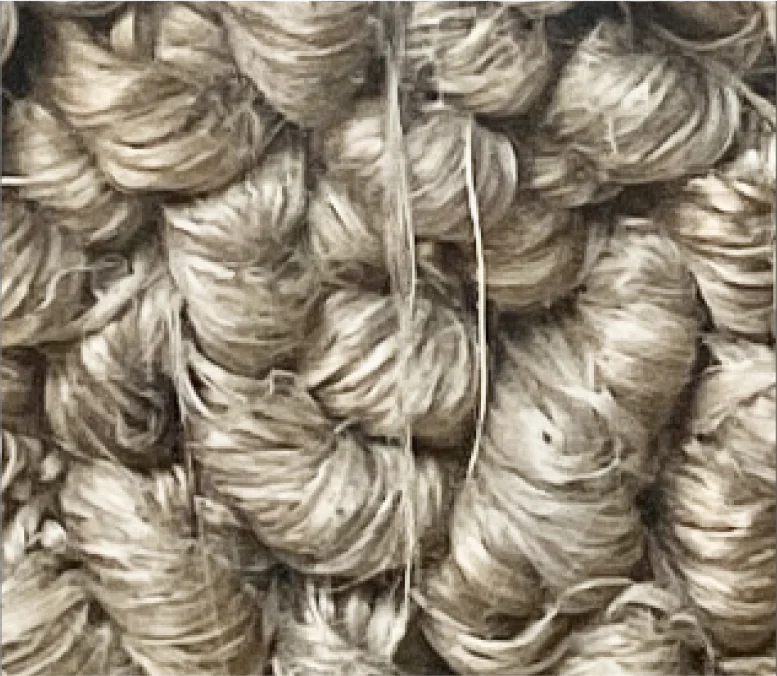
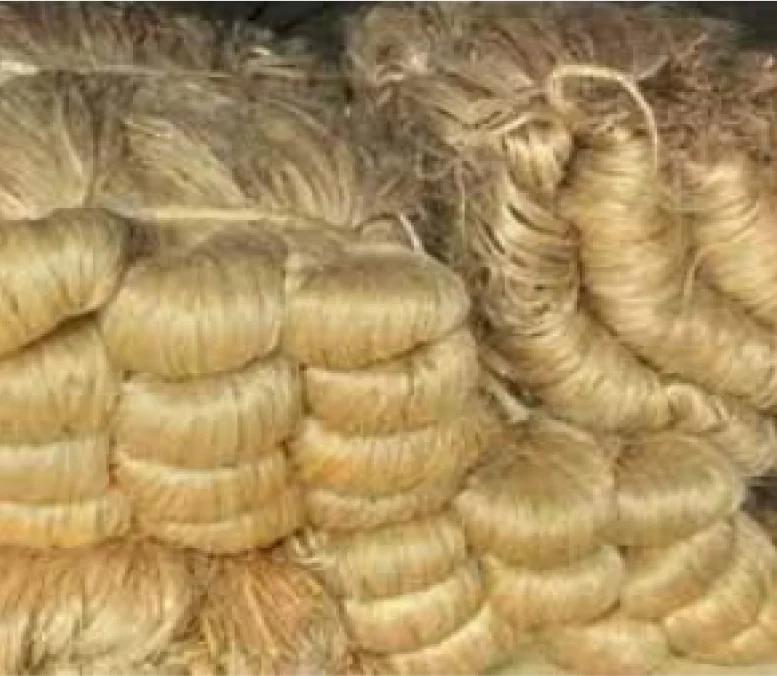
Jute from West Bengal has been severely impacted by pollution making the fibres dull and coarse. On the other hand, most jute from Bangladesh lives up to its name of being the gold fibre.
Impact of Water Pollution on Jute
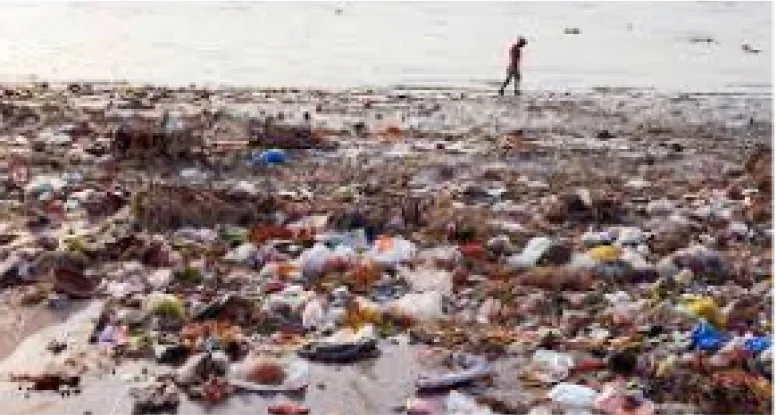
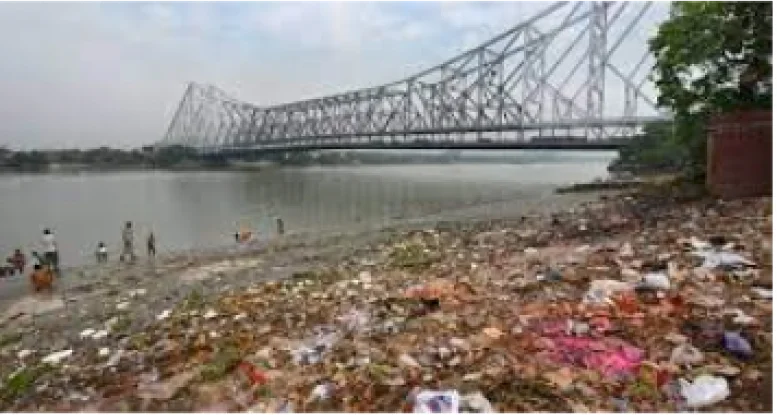
The Hooghly river has been severely impacted by anthropogenic activities such as industrial discharge, untreated sewage, solid waste disposal and agricultural runoff. This has a large impact on the quality of jute as an industry that is heavily reliant on water.
The presence of pollutants in jute fibers can lead to rejection of jute products in the international market. Countries with strict import regulations on environmental standards may refuse to accept jute products that do not meet their requirements.
The process of retting, which involves soaking jute stems in water to extract fibers, can be negatively impacted by water pollution. Pollutants in the retting water may contaminate the jute fibers, making them unsuitable for use in various industries.
FUTURE OF JUTE AND HOOGHLY
The future of the jute trade through the Hooghly River is uncertain. The global demand for jute has been declining in recent years, and the Indian government has been promoting the use of synthetic fibers instead of jute. However, jute is still a valuable natural fiber, and it is likely that the jute trade through the Hooghly River will continue to be an important part of the Indian economy for many years to come
Use of water in jute production
Images of our visit