
Introduction
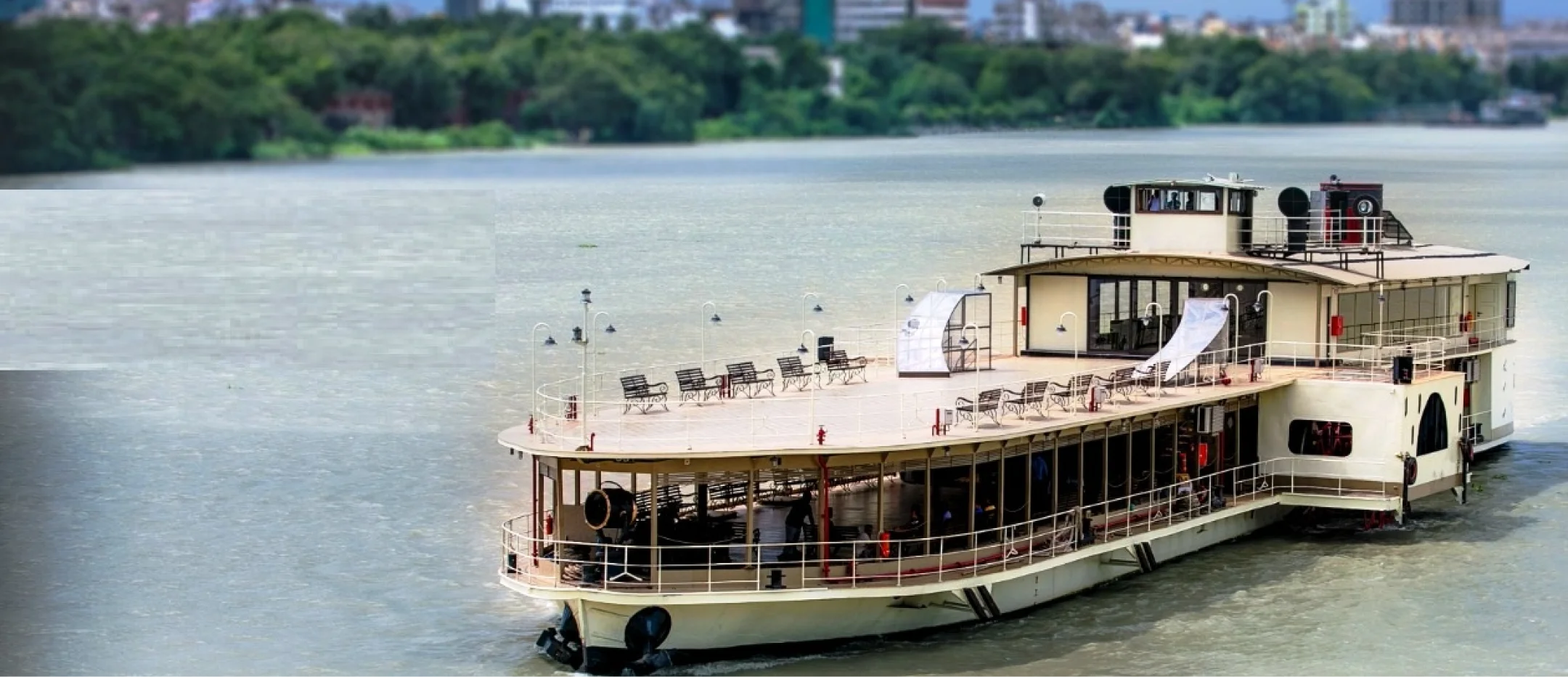
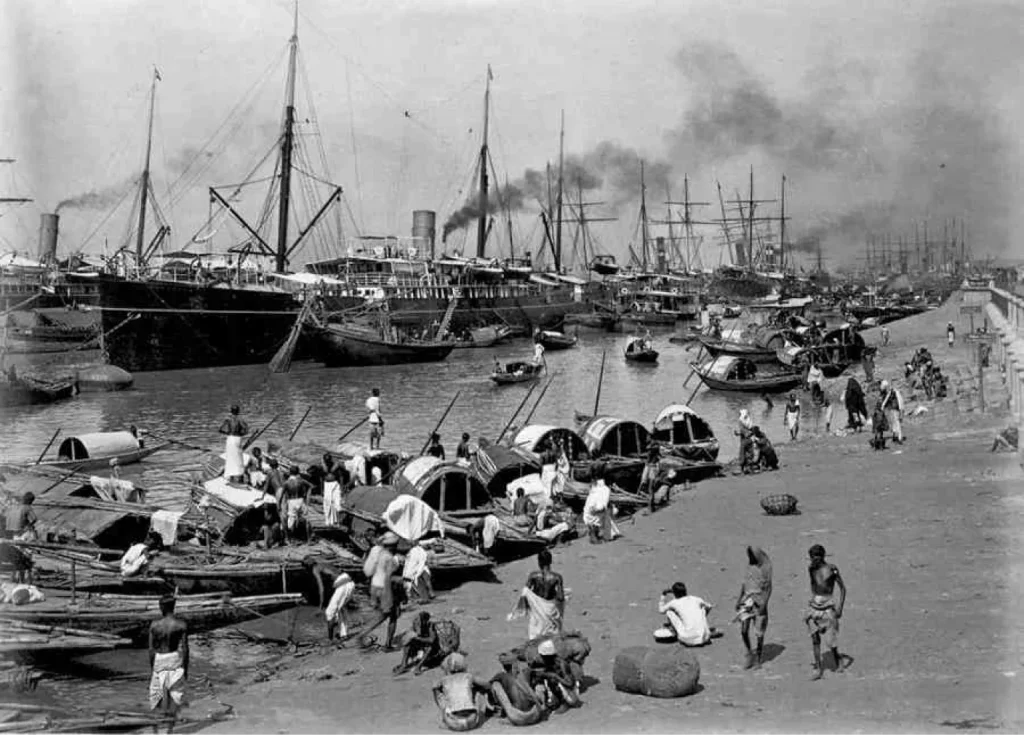
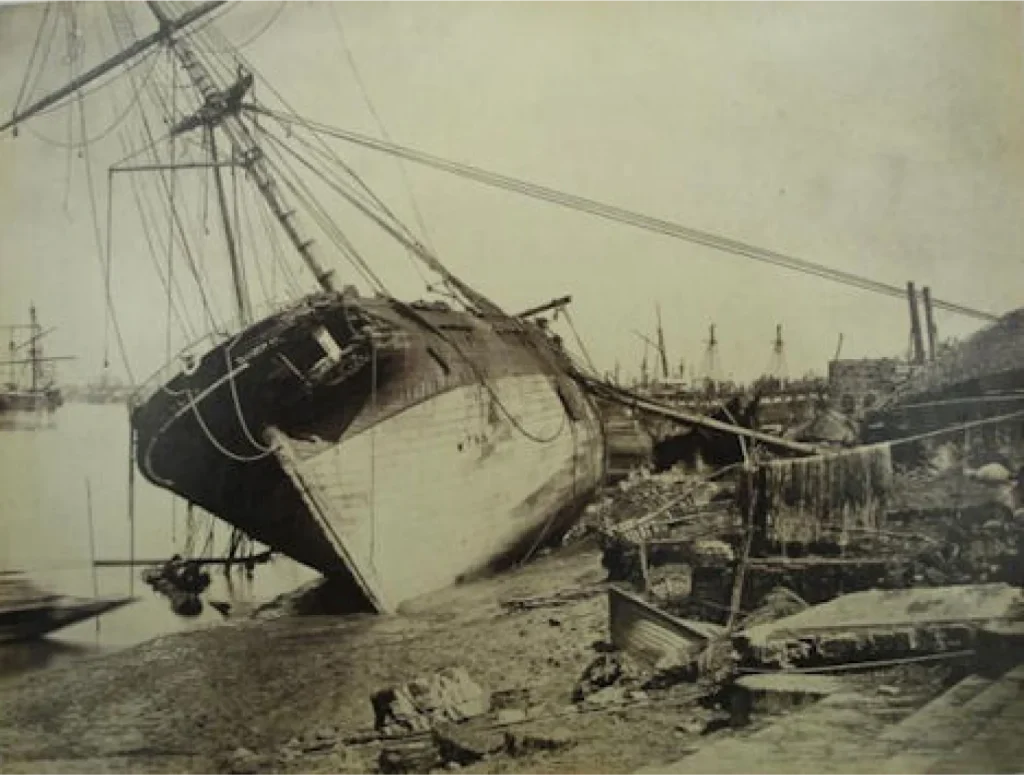
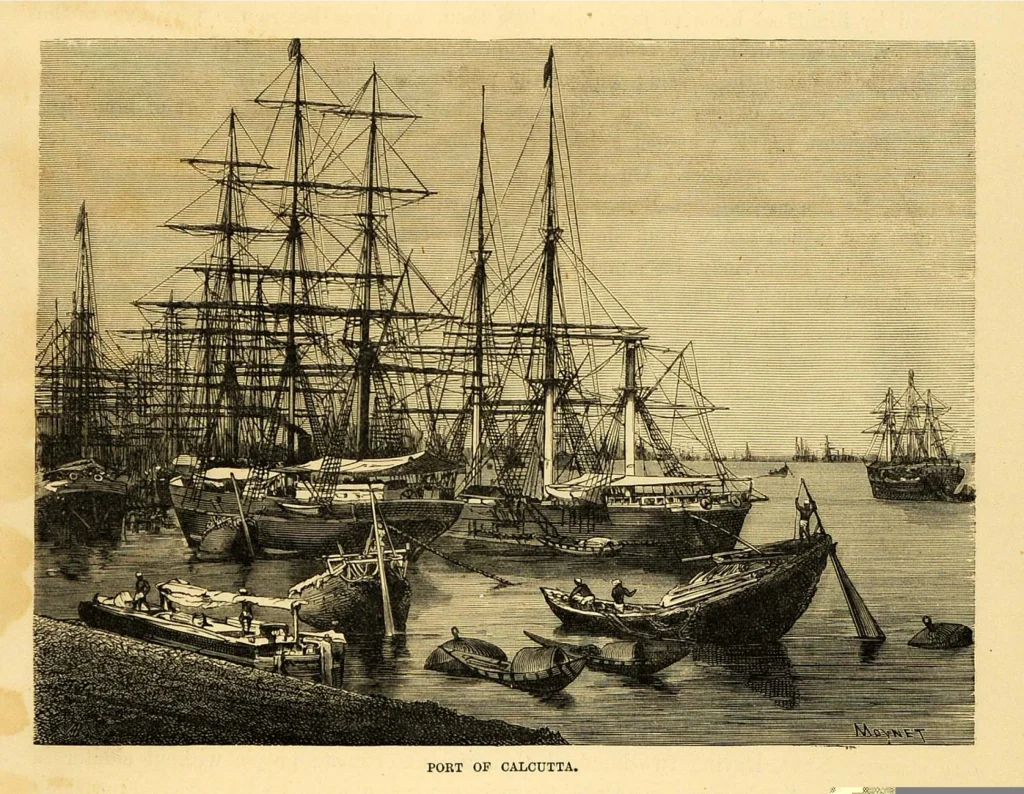
India’s oldest significant port is located in Kolkata. In the early 16th century, the Portuguese first used the present location of the port to anchor their ships, since they found the upper reaches of the Hooghly river, beyond Kolkata, unsafe for navigation. However, the foundation of the current Kolkata Port dates back much further, to when the Moghal Emperor Aurangzeb granted trading privileges to the British Settlement in Eastern India. The port and the city of Kolkata worked in harmony. Over time, the British Crown took over control of this enormous nation from the East India Company. With the creation of a Port Commission in 1870, the government gained administrative control over the port’s operations. The original purpose of the Kolkata Port was to safeguard and further British colonial interests, but the Port was asked to support the nationalist struggle when independence finally arrived in 1947. After the Second World War and the country’s division, the Port assumed control of the situation.
“India’s oldest significant port is located in Kolkata”
“The Port of Kolkata is the only riverine major port in India, which is 232 kilometres upstream from the Sandheads and has one of the world’s longest navigational channels”
“The Kolkata Port Trust is still one of India’s most innovative and promising ports”
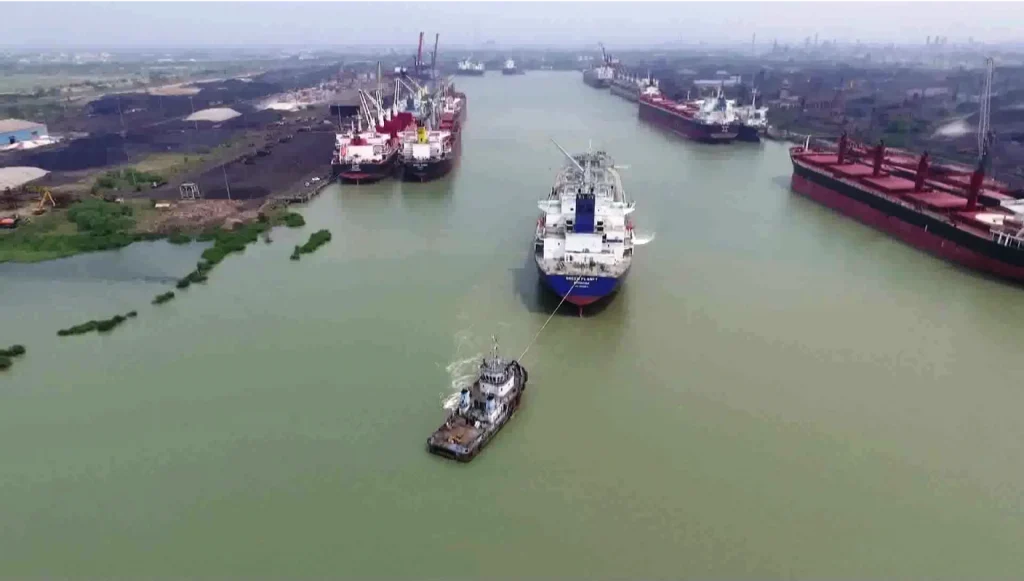
India’s oldest significant port is located in Kolkata. In the early 16th century, the Portuguese first used the present location of the port to anchor their ships, since they found the upper reaches of the Hooghly river, beyond Kolkata, unsafe for navigation. However, the foundation of the current Kolkata Port dates back much further, to when the Moghal Emperor Aurangzeb granted trading privileges to the British Settlement in Eastern India. The port and the city of Kolkata worked in harmony. Over time, the British Crown took over control of this enormous nation from the East India Company. With the creation of a Port Commission in 1870, the government gained administrative control over the port’s operations. The original purpose of the Kolkata Port was to safeguard and further British colonial interests, but the Port was asked to support the nationalist struggle when independence finally arrived in 1947. After the Second World War and the country’s division, the Port assumed control of the situation.
“The port was renamed Shyama Prasad Mookerjee Port in 2020 in honour of Mookerjee who was a prominent lawyer, educationist, and minister in independent India, hailing from Kolkata”
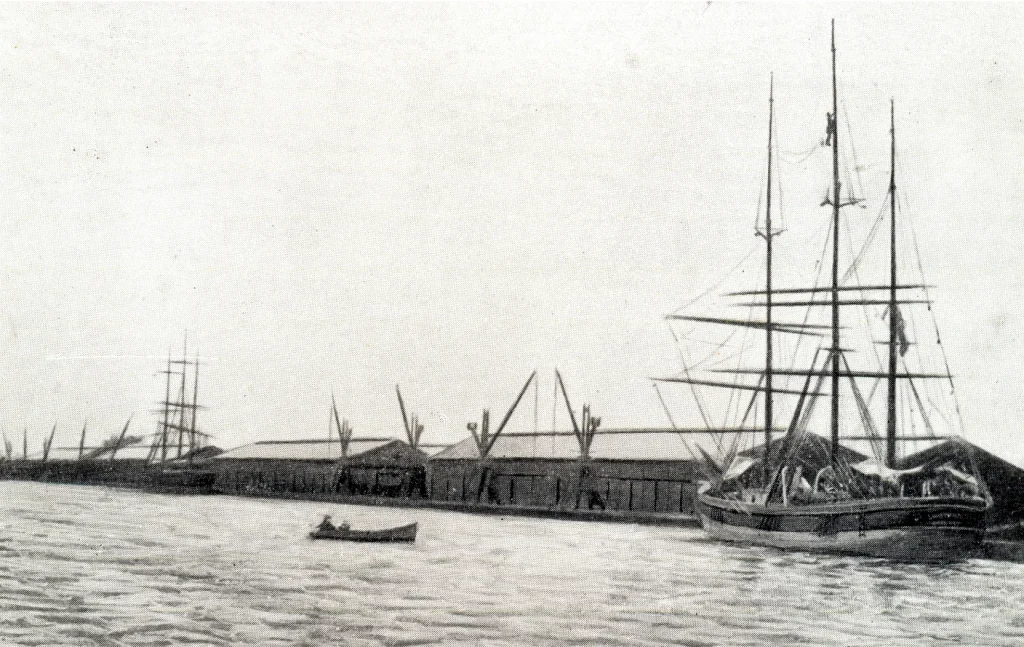
The port was renamed Shyama Prasad Mookerjee Port in 2020 in honour of Mookerjee who was a prominent lawyer, educationist, and minister in independent India, hailing from Kolkata. The Shyama Prasad Mukherjee Port continues to contribute significantly to the economic growth of Kolkata and the eastern region of India. It plays a vital role in facilitating trade, generating employment, and boosting industrial and commercial activities. The port’s strategic location on the Hooghly River positions it as a key maritime gateway for the region, ensuring seamless connectivity with the global market (KOPT, 2014) (Indian Express, 2020).
References
- Indian Express. (2020). The significance of the Kolkata port, renamed by PM Modi. Retrieved from https://indianexpress.com/article/explained/significance-of-the-kolkata-port-renamed-by-pm-modi-6213004/
- KOPT. (2014). Brief History of KoPT. Retrieved from https://smportkolkata.shipping.gov.in/index1.php?layout=1&lang=1&level=1&sublinkid=1429&lid=563