

Introduction
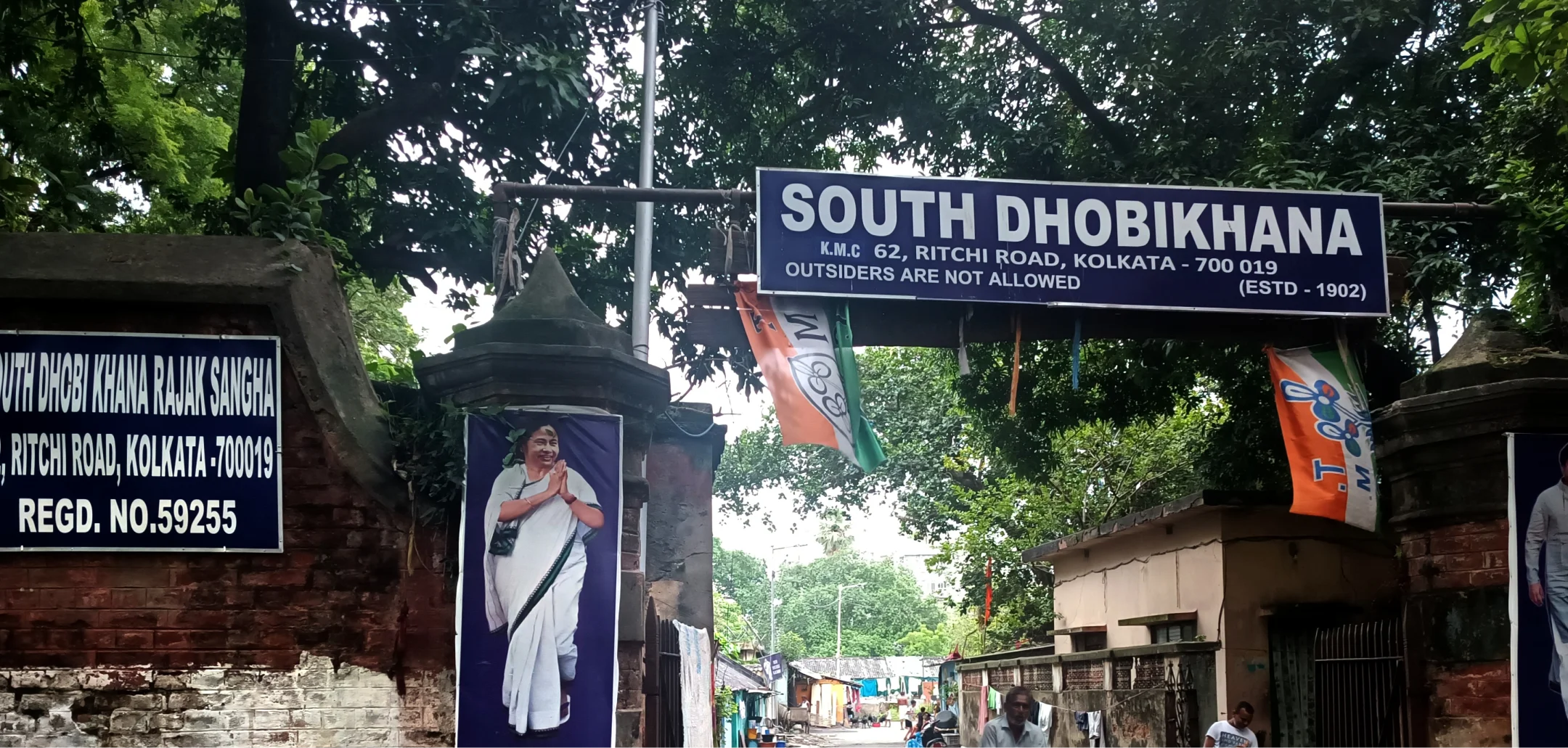
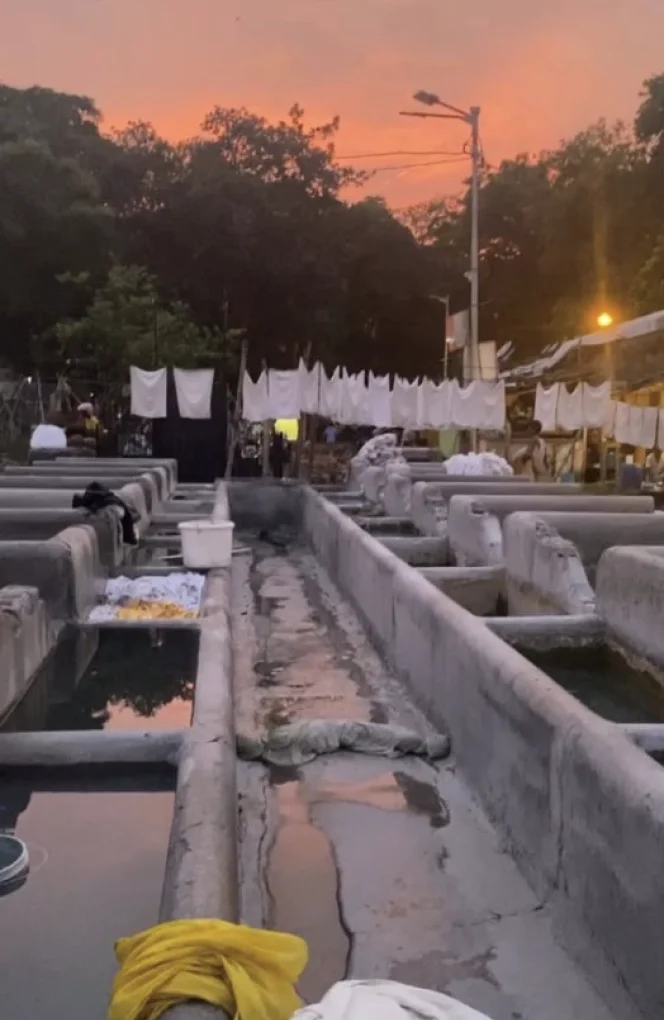
The Dhobhighat of Kolkata is a nearly 121 year old large open-air laundry facility located in the city of Kolkata, West Bengal. It is one of the largest and most well-known dhobi ghats in the country along with the 140 year old Mahalakshmi Dhobighat of Mumbai. The South Dhobikhana is located in Maddex Square and was set up by the Britsh during the colonial rule.
The Dhobighat plays an important role in the economy of ‘The City of Joy’ by providing employment to a large number of people involved in the laundry and dyeing industry. The Dhobighat serves as an important cultural and social hub in the city. A dhobi is an individual involved in manual laundry and clothes washing, often working in designated areas known as dhobi ghats, preserving a rich heritage of communal washing and maintaining social fabric through their work in dhobi ghats. According to the book “Kolkata: The Cultural and Intellectual Capital of Modern India” by Sukanta Chaudhuri, it’s a unique representation of the traditional way of washing clothes and preserving cultural heritage.
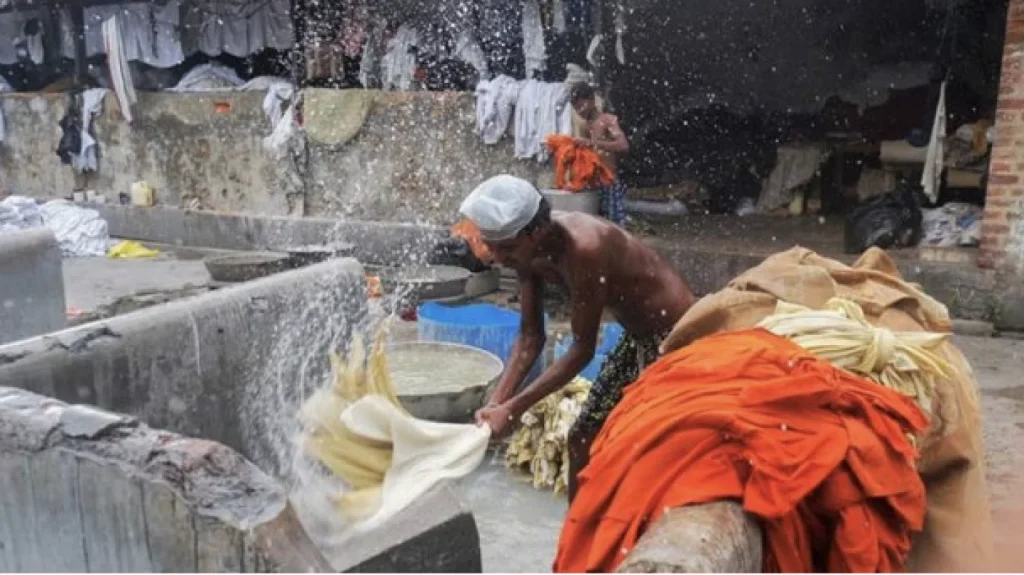
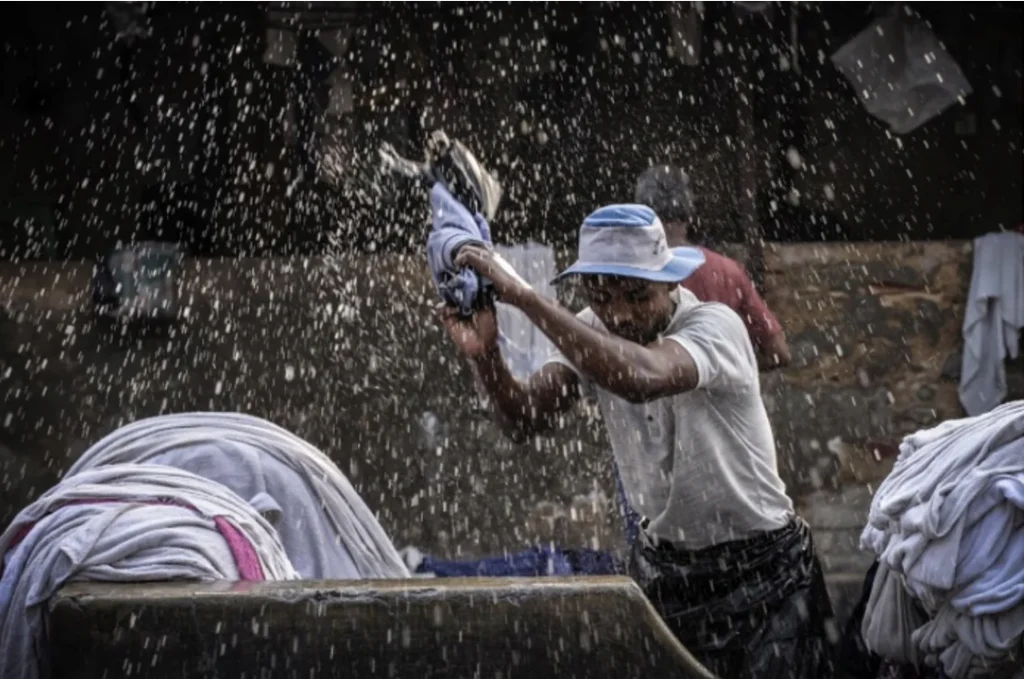
Once cleaned, the clothes are wrung out by hand and hung up to dry on ropes strung between poles. After they dry, the clothes are ironed and sorted again by the dhobis before being delivered back to their owners.
For the dyeing process, clothes are grouped according to the color they need to be dyed, and then placed in large vats of dye. The clothes are left to soak for a period of time and then removed and hung up to dry.
The laundry and dyeing process at the Dhobighat is known for being less energy intensive, however, according to the article “The Dhobi Ghat of Kolkata: A Photographic Journey” by Manas Bhowmick, the water pollution caused by the use of large quantities of detergents, dyes and other chemicals has been identified as a major environmental concern. Efforts have been made to minimize pollution, such as the use of biodegradable detergents, recycling of water, and treatment of wastewater before releasing it into the river.
In pictures: Kolkata’s Ritchie Road dhobikhana (Source: Telegraph India)
AIM
This visual study aims to shed light on the current dyeing and laundry procedures in the Dhobighats of Kolkata, the root problems in it and further explores the potential way forward.
There are several areas of concern with regards to the Dhobighats of Kolkata in terms of health hazards, water wastage, sustainability, etc and this visual study aims to explore these aspects and provide potential solutions to mitigate these issues.
Water has a significant role in the socio-ecological history of Kolkata, as a resource and as a component of social identity, both of which have been hardly explored. This study aims to explore this and come up with ways to use this precious element judiciously.
CHALLENGES FACED
While the Dhobi Ghats have been a part of the city’s culture and added to its socio-ecological history for many years, they often face challenges such as maintaining hygiene levels, water wastage and complying with government regulations on pollution, waste management and labor laws.
Some of these challenges have been further discussed.
Pollution
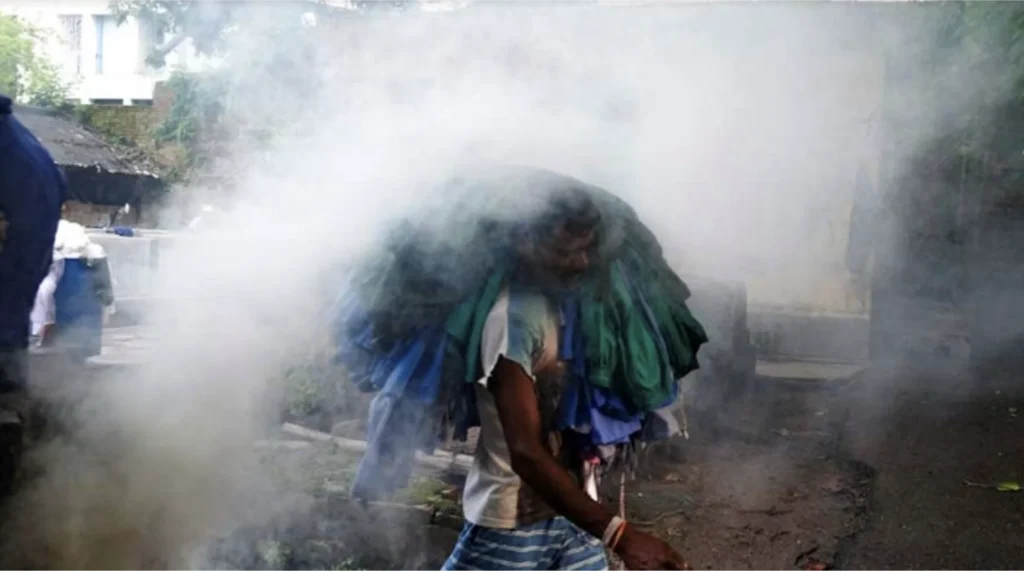
There is a lack of the provision of guidelines by administrative bodies regarding chemicals used in such laundry and dyeing processes. The lack of policies related to the amount or types of detergents that can be used lead to the dhobis resorting to cheaper detergents and other chemicals in the laundry washing process pollute the water and harm aquatic life in the region.The chemicals used in the process can potentially seep into the soil, contaminating it and making it harmful to both plants and animals.The wastewater may contain a variety of contaminants, including detergents, chemicals, and bacteria, which can destroy aquatic life and make the water unfit for human consumption. The Dhobi Ghats also generate a large amount of solid waste, such as textile remnants and other debris which can contribute to pollution and unhygienic conditions. Due to poor economical conditions, dhobis are force to use traditional burning methods, like the burning of coal or wood to heat water for washing, which contributes to air pollution in the area.These can have a negative impact on the health and welfare of the workers, the local community and the environment.
Health Hazards & Sanitation
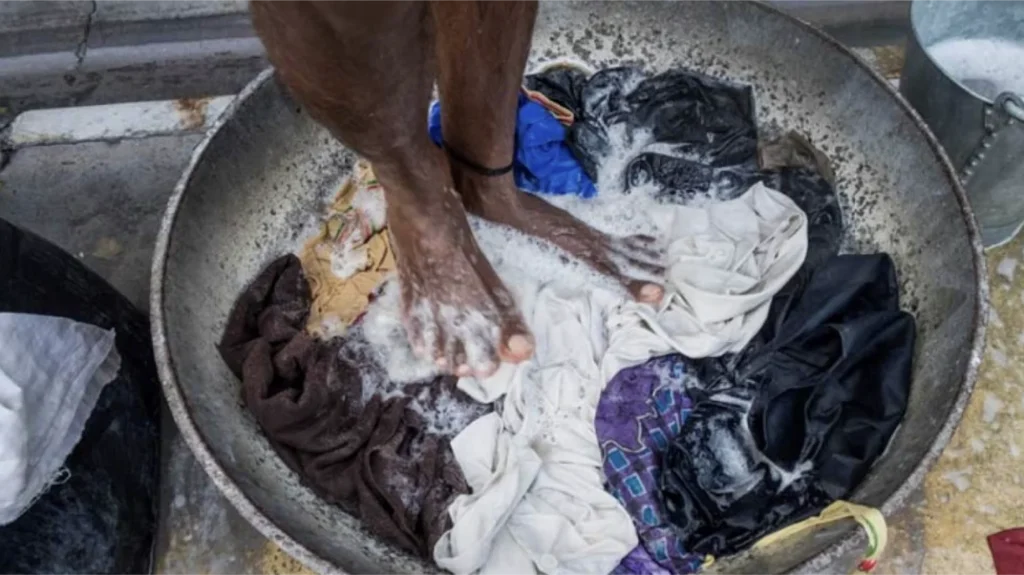
The Dhobighats are often overcrowded and lack proper sanitation facilities, which can lead to unsanitary conditions and the spreading of diseases. The lack of protective equipment when dealing with detergents and chemicals can also lead to skin allergies. Furthermore, the workers at the Dhobighats are often exposed to these harmful chemicals and pollutants which can lead to respiratory problems and can also prove to be fatal. Upon conducting field research, I saw a similar situation wherein the workers had immersed their legs into the water that was being used to wash the clothes and the efforts to maintain hygiene was suboptimal.
Water Wastage
While most of the world is grappling with a shortage of drinking water, the Dhobighats in Kolkata use up nearly 78,000 liters of drinking water everyday. A general physician Dr. Sayan Nath said, “An adult human drinks around 1.5 liters of water everyday. So, the water used at the dhobi ghat can quench the thirst of 52,000 people in 10,400 households”, in an interview with the Times of India. According to our respondents on site, the main source of water in the Dhobighat is the “Tala tank”, which happens to be one of the primary sources of municipal drinking water in the city. In order to reduce the use of precious drinking water for laundry, alternate sources for supplying water to dhobis for laundry and dyeing must be made as soon as possible in order to avoid an already popping up water scarcity crisis. Councillor Sukhdeb Chakraborty said in an interview with the Times of India that a proposal for the installation of two borewells was made however the dhobis refused, saying that the iron in the underground water would make their task harder. Upon interviewing a worker from the South Dhobhikhana, they had different views than what I found from my preliminary literature review. The dhobis realise how precious the commodity and oftance gace acute water shortages due to which they make immense efforts to minimise water loss. However, since they use drinking water from the Tala Tank, as confirmed by the workers, there is a lot of wastage of drinking water which can be employed for other purposes.
Labor rights
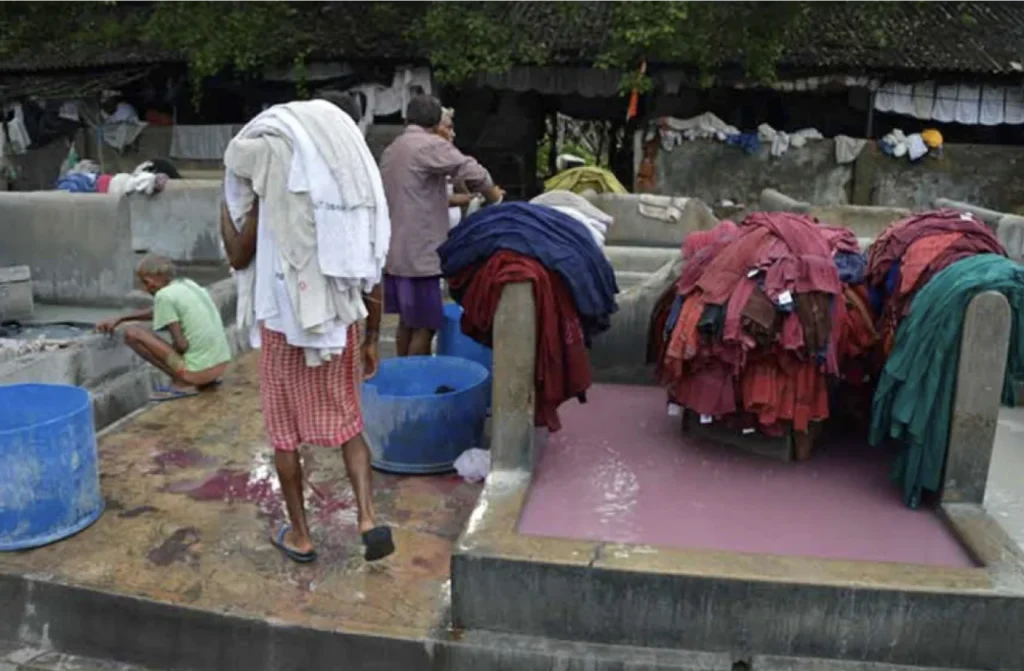
The workers at the Dhobi Ghats are often paid below average wages and have few labor rights. Generally, they do not have access to benefits such as health insurance or paid leave. The ~ 5,000 people working here generally work in the unorganized sector and therefore are denied from enjoying an adequate standard of living. In addition to the unhygienic working conditions, the dhobis are often paid below average wages for such tasks. Upon conducting field research, however, I found out that the workers did not have any complaints about their working conditions. However, I personally believe that there is a need to create awareness and educate the workers about what their labor rights are. It is only then that they will be able to truly evaluate if they are being provided with all their rights and benefits.
Loss of traditional livelihood
Modern laundry and dyeing services use advanced technology & methodology that provides faster, more efficient and high quality services than the traditional dhobi ghats. They also have better hygiene and sanitation standards and are more accessible to the general public, along with having more resources for marketing and branding. Due to globalization, like small businesses everywhere, the dhobi ghats face stiff competition which endangers the livelihood of its workers. While the workers did not consider such upcoming technologies to be a glaring problem for their business, I believe that a lot of people are switching to these modern technologies due to the aforementioned reasons as their disposable income increases and they try to improve their standard of living.
CONCLUSION
The government and local organizations are working to improve working conditions, provide education and training programs, and promote modern methods of laundry washing that are less harmful to the environment and the workers.
THE WAY FORWARD
The previous section discussed some of the main issues faced by the Dhobi Ghats of Kolkata. Having identified the key challenges faced by the Dhobi Ghats of Kolkata, it is crucial to outline a way forward that promotes sustainable practices and improves the overall well-being of the community.
Institutional Support
The government and other administrative bodies can provide grants or support for provision of better facilities for washing such as running water, soap, and disinfectant that can improve the overall hygiene of dhobighats and minimise the spread of diseases. Moreover, guidelines should be implemented to ensure not only the safety and well-being of the dhobi workers but also to provide financial assistance for the necessary improvements. Additionally, research and development should be conducted to explore safer alternatives that align with traditional practices, considering factors such as cost-effectiveness and sustainability. Upon interviewing the workers, I learnt that they also believe that there must be greater allocation of government funds to help retain this traditional livelihood.
Water conservation
The government and other institutions can implement water conservation measures, such as setting up a rainwater harvesting unit, recycling wastewater or setting up freshwater tubewells to reduce the pressure on the local water supply from the “Tala tank” and reduce water pollution by trying to recycle wastewater. Research should be conducted to identify sources of water that do not contain minerals, like iron, that can interfere with the laundry and dyeing process. By diversifying water sources and reducing reliance on the local water supply, the pressure on the “Tala tank” can be alleviated, while also mitigating water pollution and promoting sustainable practices in dhobighats.
Waste management
Proper waste management, including the segregation and disposal of hazardous chemicals used in laundry, can improve the environmental conditions of dhobighats, prevent pollution and reduce the health hazards that the current process of laundry and dyeing poses. Upon interviewing the workers, they mentioned that there was allocation of some funds towards an improved sewage system, which would also lead to reduced pollution, but the project was never implemented. It is imperative that these projects are implemented to reduce environmental costs created by procedures in this industry.
Training and Awareness
Creating awareness through training and providing equipment upgrades, can improve the efficiency and quality of laundry services and increase the income of the dhobis. Educating workers about sustainable practices, encouraging them to care about the environment and making them aware about the health hazards that their current processes of laundry and dyeing cause can have a great impact in changing their outlook. This in turn can potentially help change their practices, if they are provided the necessary help or resources to do so. I personally believe, it is very important to educate these workers not only to help them keep up with technological and scientific advances, but also to raise awareness about their rights.
Social alleviation
Our respondent from the South Dhobikhana also outlined that using a term such as the general Hindi term ‘Bhaiya’ instead of referring to them by their cast by calling them ‘Dhopa’ in Bengali or ‘Dhobi’ in Hindi was disrespectful towards them. They also talked about how they were unable to provide their children with a better quality of life than theirs, especially in the arena of health and education, due to financial inequalities. Therefore, from my understanding, it is imperative to both ensure social reform so that there is greater respect for people belonging to this community, alongwith the need to increase community support to ensure that they can also enjoy better standards of life.
CONCLUSION
Essentially, institutional and public support, funding and education programs would pave the path for an ideal way forward to tackle the problems that the dhobi ghats of Kolkata currently face.
CONCLUSION
This study has explored a range of relevant problems faced by the Dhobi Ghat of Kolkata and has delved into possible solutions that, if implemented, can help mitigate the major issues associated with the current laundry and dyeing processes while retaining the unique heritage of the Dhobi Ghat and its importance to the community. It is crucial to consider the trade-off between scientific advances and the preservation of Dhobi Ghat’s cultural significance when implementing solutions. The history and heritage of the city are intertwined with the Dhobi Ghat, catering to a specific community that continues to hold prominence. While the traditional methods may not always be harmless to the primary stakeholders, they have a low environmental footprint compared to modern machinery in terms of electricity usage and plastic waste. However, water wastage remains a concern and efforts should be made to reduce the same. By finding ways to address water consumption, we can support both the local economy and contribute to the overall well-being of the environment. Moreover, preserving the Dhobi Ghat’s sustainability is crucial as it provides employment and economic opportunities to a significant community, while also fostering a sense of cultural identity. By striking a balance between modernization and heritage preservation, we can ensure the continued relevance and viability of the Dhobi Ghat amidst globalization and competition, while also minimizing its environmental impact.
References
- Oldest Dhobi Khana of India is still operational in Kolkata getbengal.com › details › oldest-dhobi-kha… – Accessed on 07/01/2023 at 3:34 p.m.
- Photos: Kolkata’s original laundry service, the colonial-era …hindustantimes.com › photos › india-news – Accessed on 09/01/2023 at 4:21 p.m.
- Oldest Dhobi Khana of India is still opeational in Kolkata – Accessed on 12/01/2023 at 6:32 a.m.
- Dhobi Ghat – In pictures: Kolkata’s Ritchie Road dhobikhana telegraphindia› places › cid – Accessed on 12/01/2023 at 6:35 a.m.
- Did You Know Kolkata Has Its Own Dhobighat? – Accessed on 15/01/2023 at 6:07 p.m.
- Kolkata News – Times of India– Accessed on 23/01/2023 at 7:09 p.m.
- Dhobi Ghat Daily life Photo Story by Dibyendu Chakraborty – Dodh – Accessed on 25/01/2023 at 8:12 p.m.
- Oldest Dhobi Khana of India is still operational in Kolkata – Accessed on 10/01/2023 at 6:17 a.m.