
Introduction
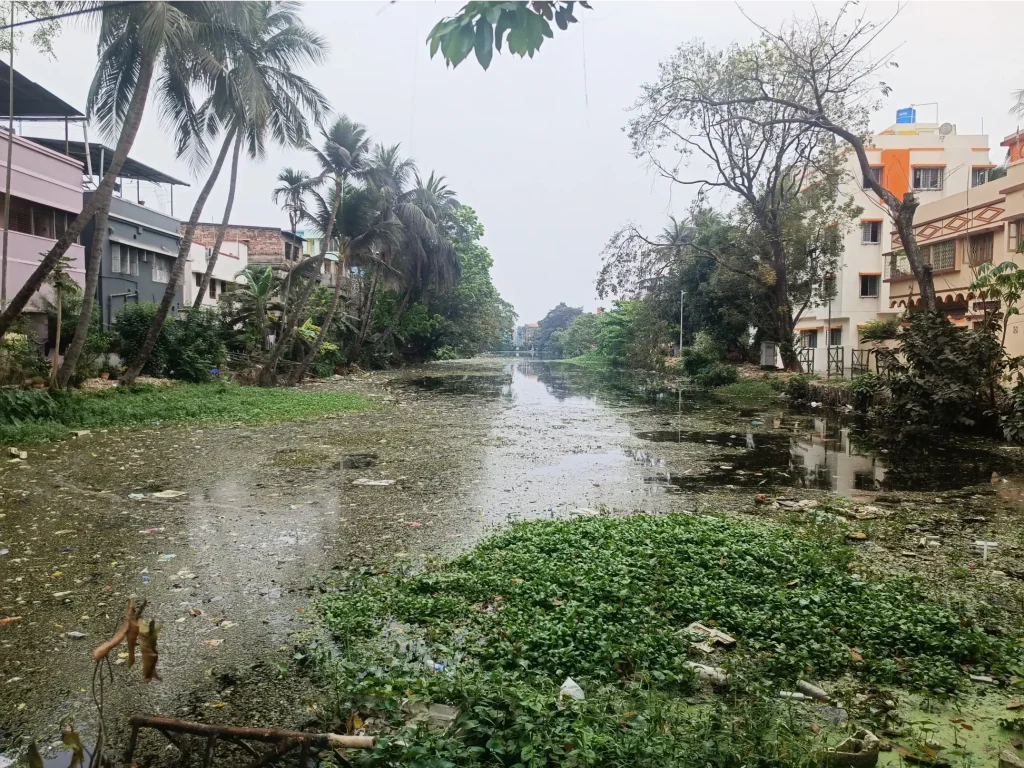
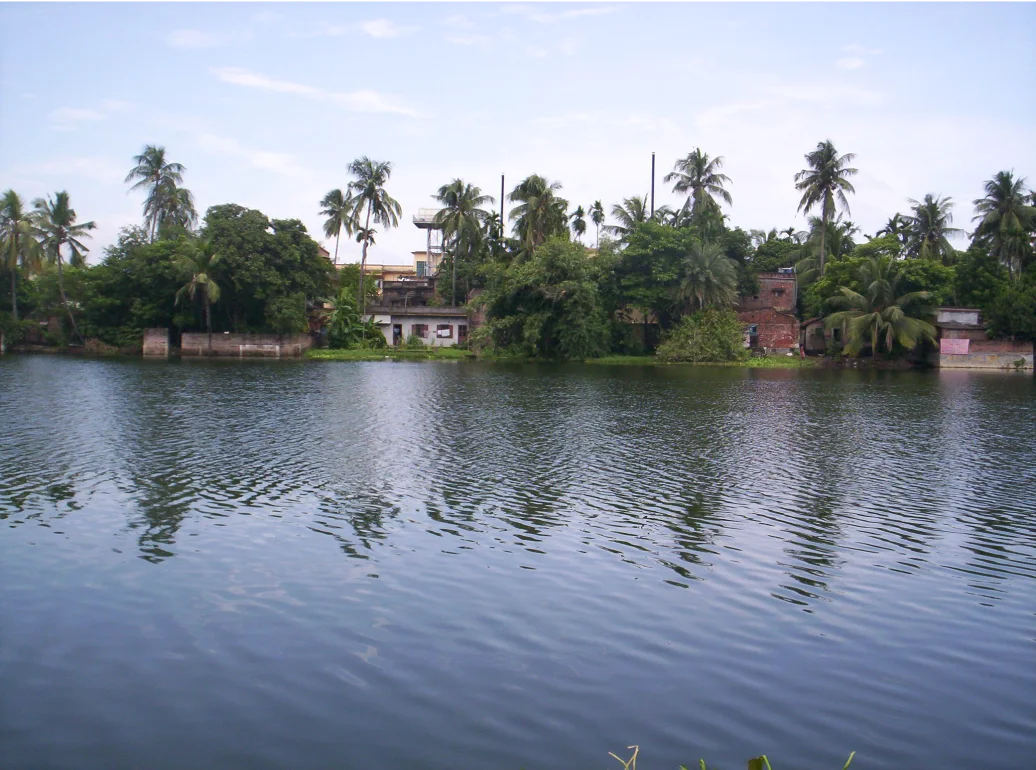
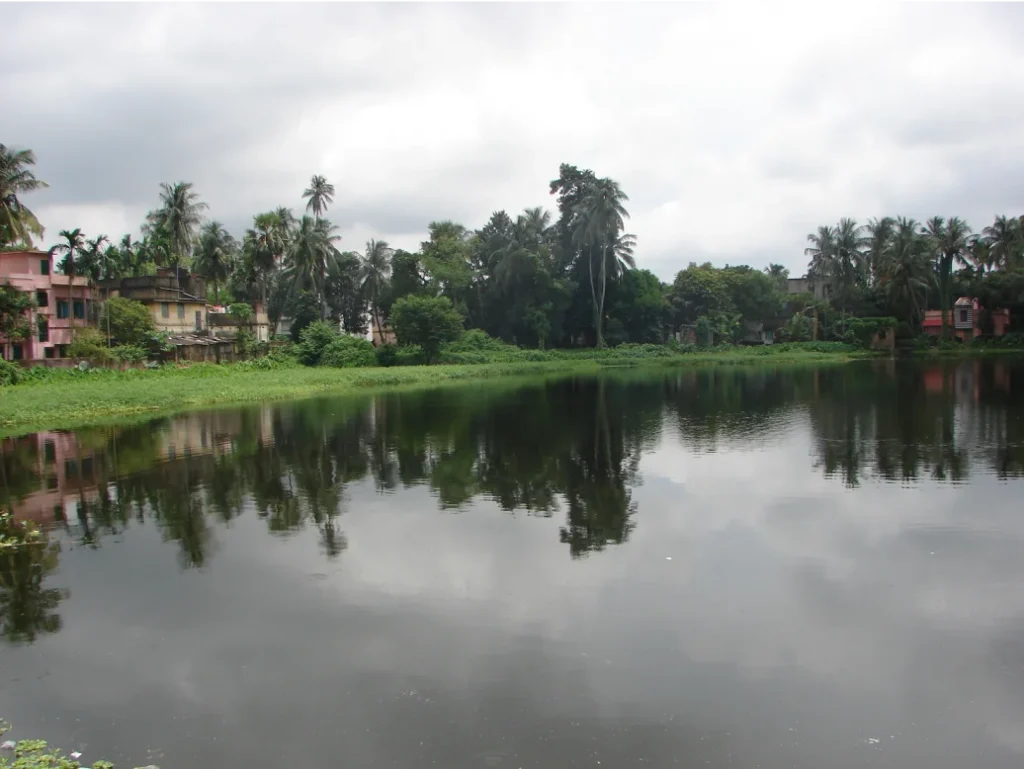
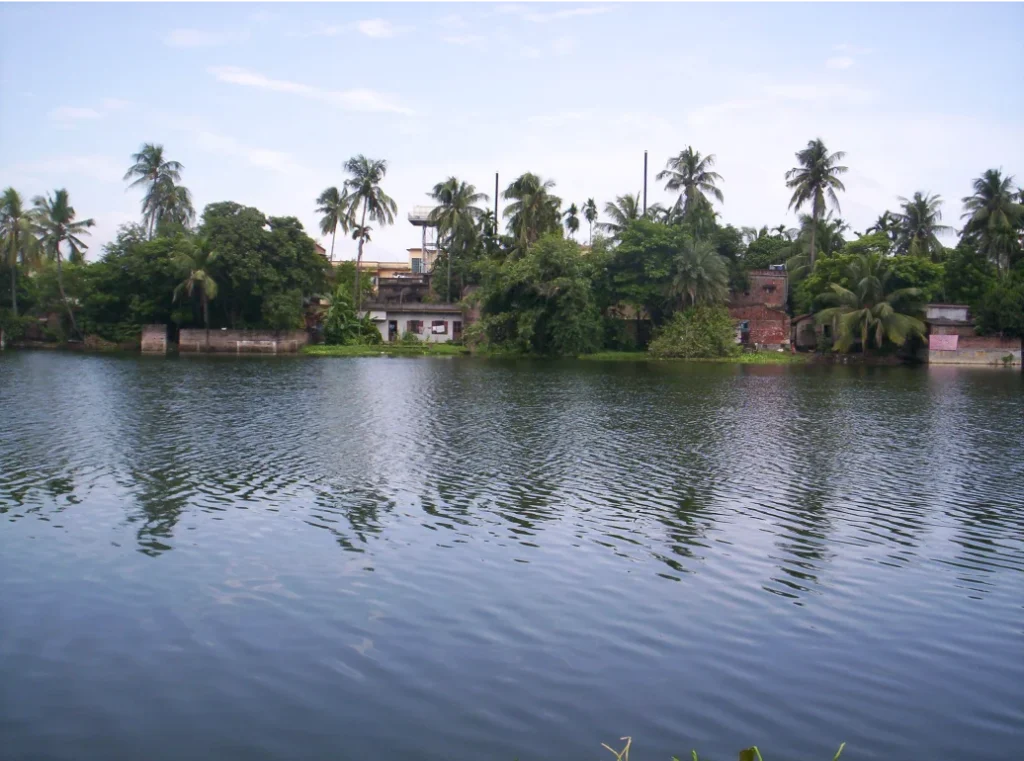
The city of Kolkata was built on a marshy delta, and the construction of ponds or ‘pukurs’ served multiple purposes. Not only have they contributed to building the ecological characteristics of the city, but also the historic significance of Kolkata. It is for the same reason, that a lot of well-known localities in the city are referred to through ‘pukurs’ such as Monoharpukur, Shyampukur, Bosepukur, Padmapukur, Beniapukur, Thakurpukur etc. Almost 70 streets in Kolkata are named after pukurs.
“At present there are almost 5000 ponds within the boundaries of the Kolkata municipal corporation”
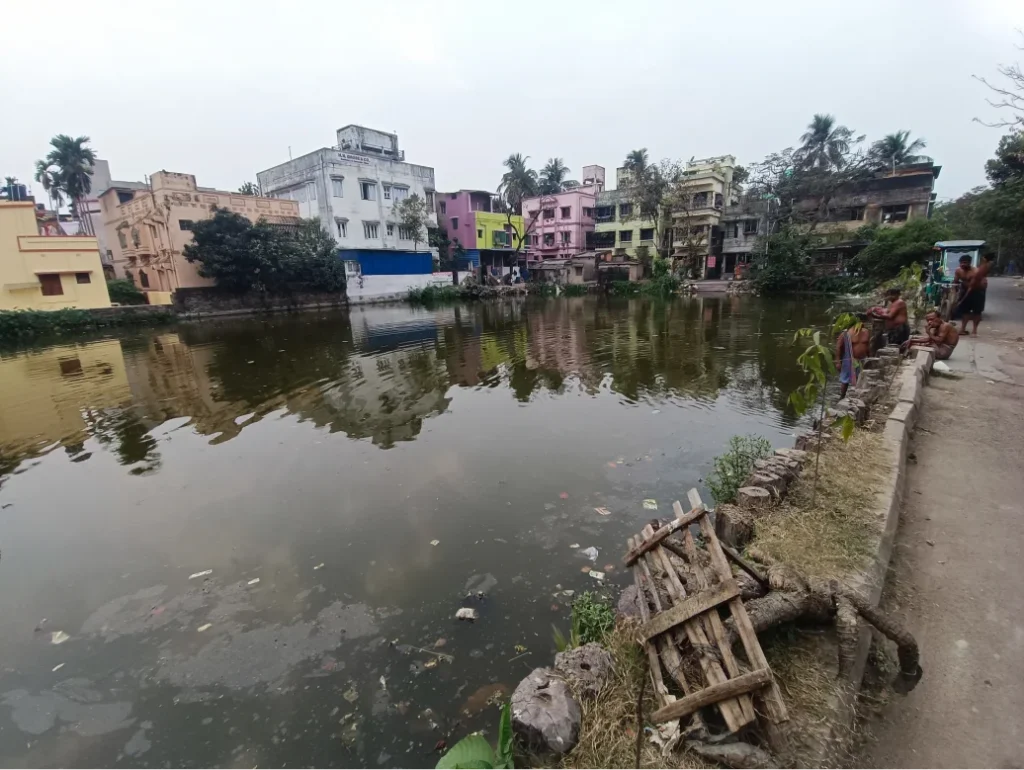
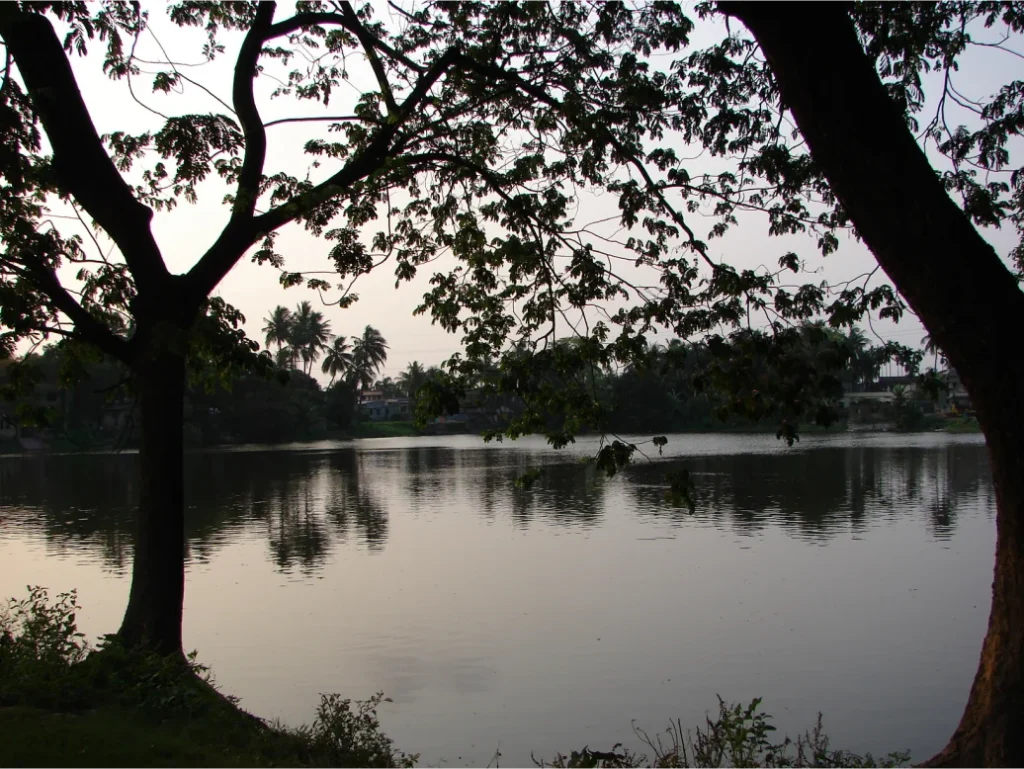
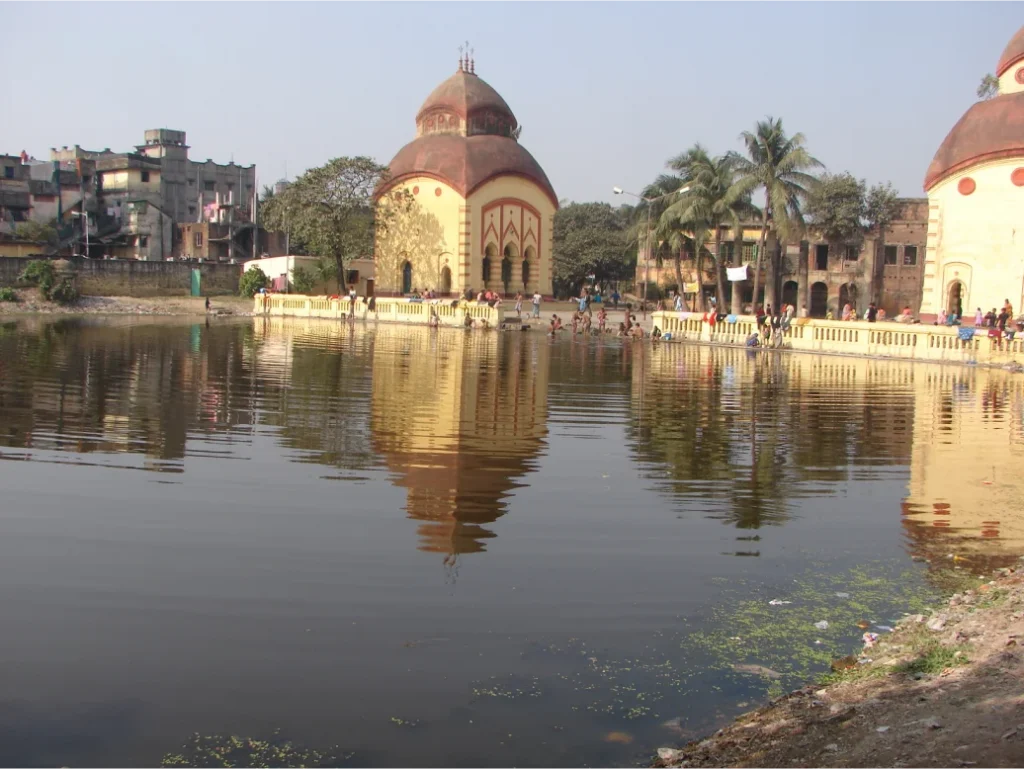
Initially, they were created for irrigation and as a source of drinking water. Over time, they evolved into communal spaces, fostering social interactions, religious rituals, and recreational and domestic activities, serving almost 1 million citizens everyday. The ponds of Kolkata are diverse in size, ranging from small neighborhood tanks to larger lakes. Some of the ponds that are still alive today go back to a few hundred years. Each pond has its own unique history and significance, often associated with local legends or historical events. These water bodies have been a backdrop for cultural events, including religious ceremonies, idol immersions during festivals like Durga Puja, and boat races. They also attract migratory birds, providing habitats for various species and acting as important ecological hotspots within the urban landscape.
Folklore around the Ponds of Kolkata
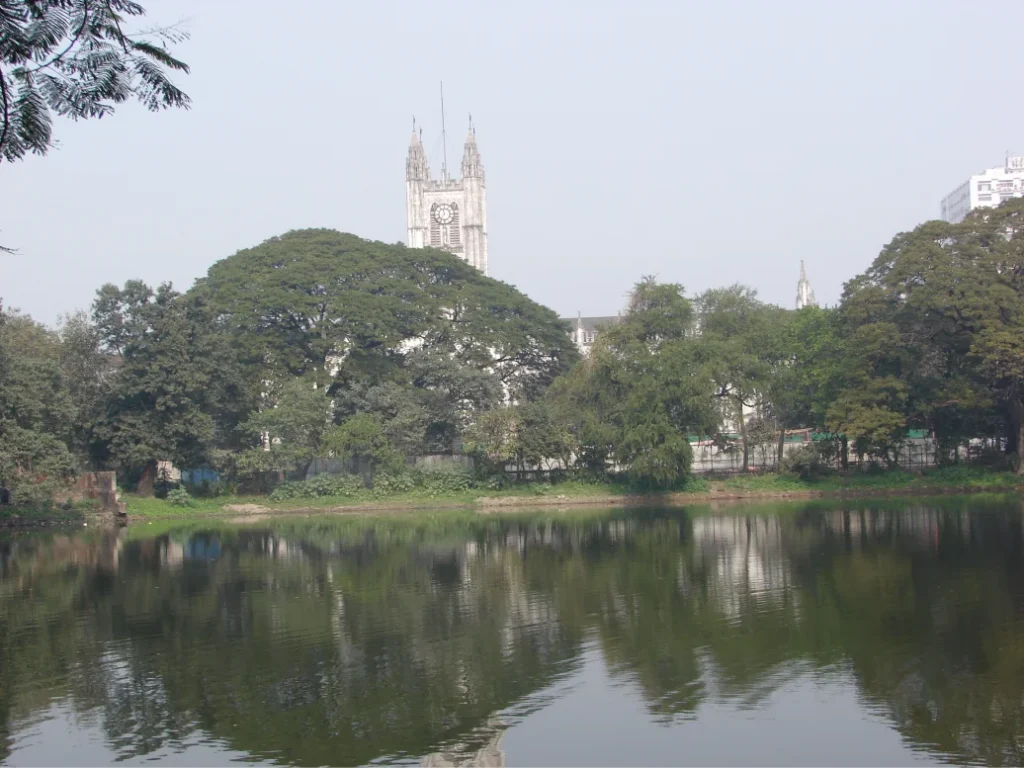
The ponds being a part of Kolkata’s landscape for a few centuries play a crucial role in the development of oral histories and local folklores. These folklores have been beautifully illustrated in Mr Mohit Ray’s book titled ‘Pukurer Rupkotha’

Historic attributes of the Ponds of Kolkata
While some of the stories are associated with fairy tales, others have historic value and are associated with eminent personalities and famous events of the city.
Way Forward
However, the ponds of Kolkata face challenges such as pollution, encroachment, and neglect. Rapid urbanization and improper waste disposal have led to the deterioration of water quality in some ponds. Efforts are being made by the government, non-profit organizations, and citizen groups to revive and conserve these water bodies, recognizing their importance as natural assets and cultural heritage. In conclusion, the ponds of Kolkata are not just bodies of water but cultural, historical, and ecological treasures. They hold immense potential to shape the city’s identity, foster community engagement, and preserve its natural heritage for future generations.