
The Space
“Apart from accommodating the municipal solid waste dumpsite and agricultural fields that produce paddy and vegetables for the city, EKW is a home to a diverse species of flora and fauna who help moderate the city’s temperature gradient, sequester carbon, and regulate monsoon flooding”
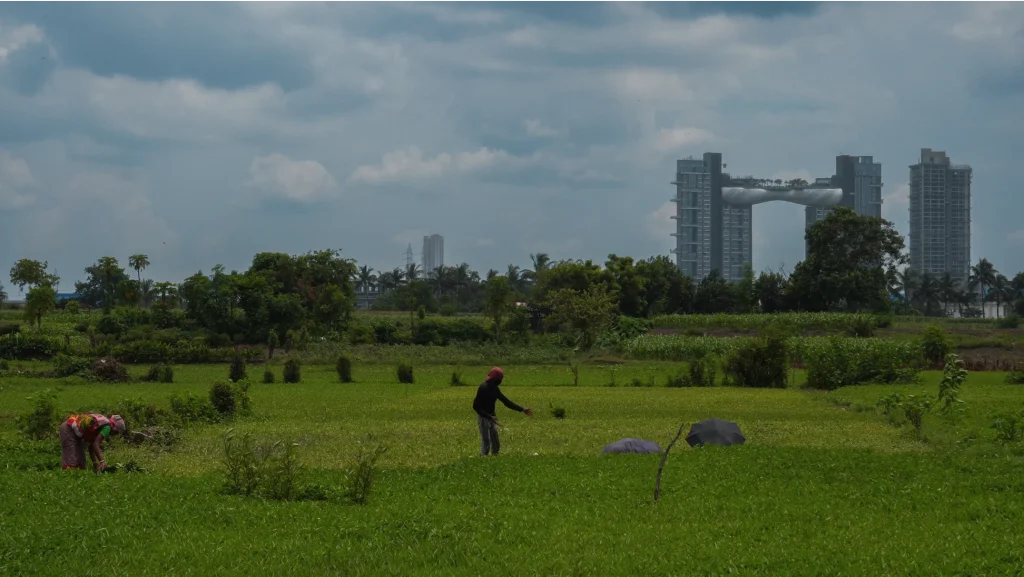
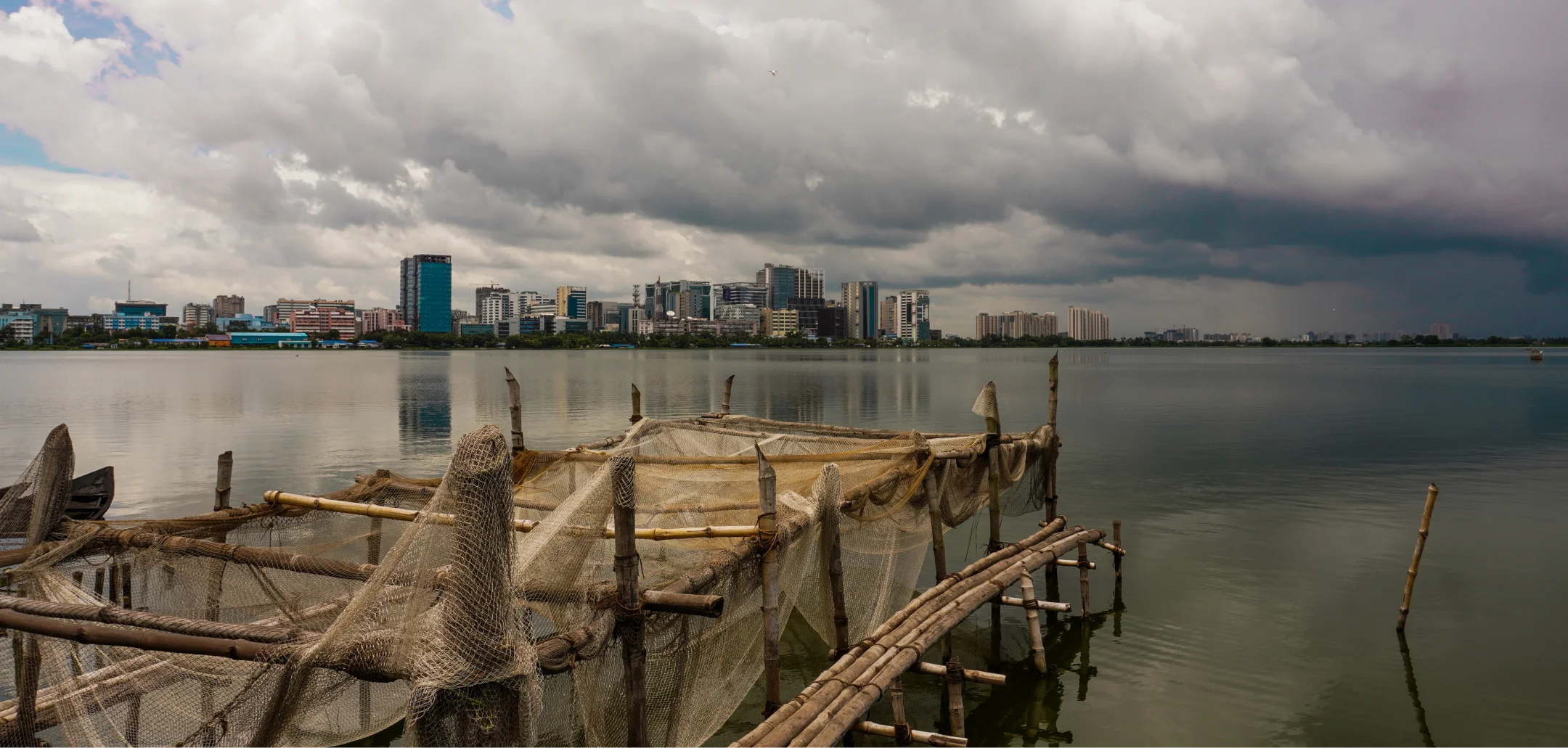
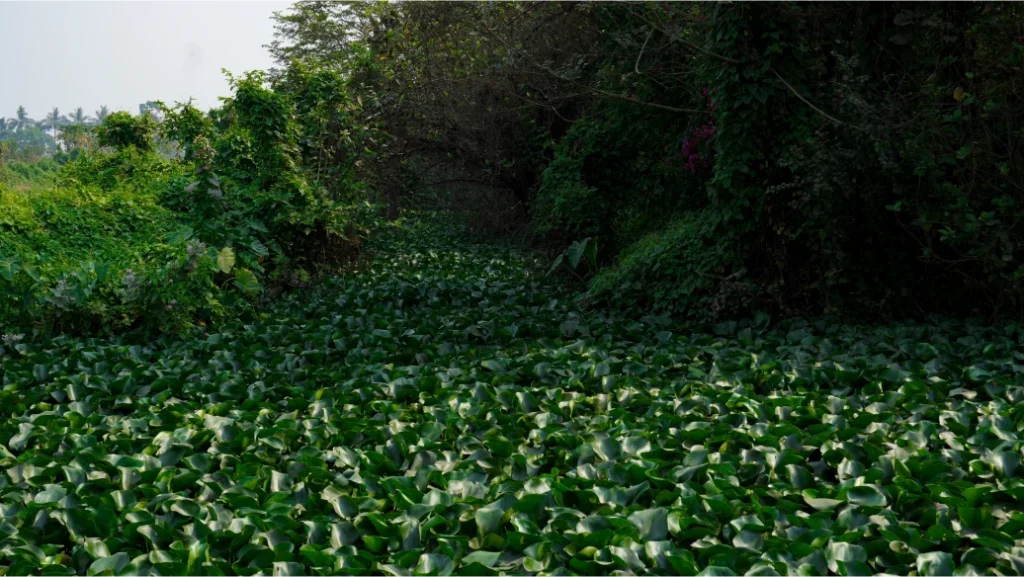
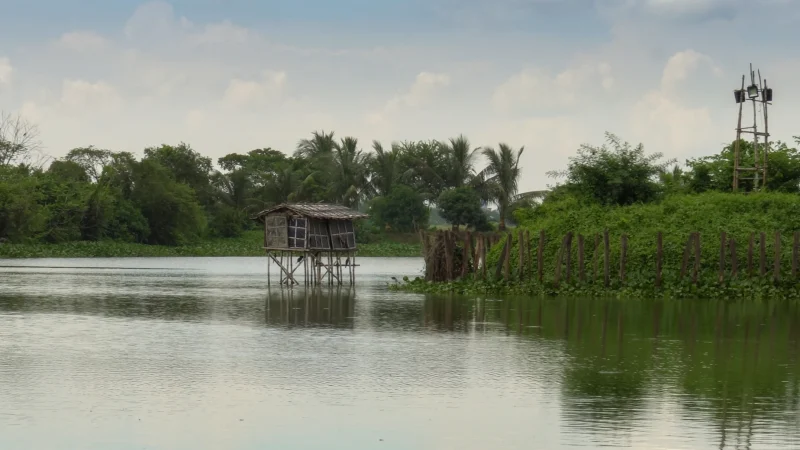
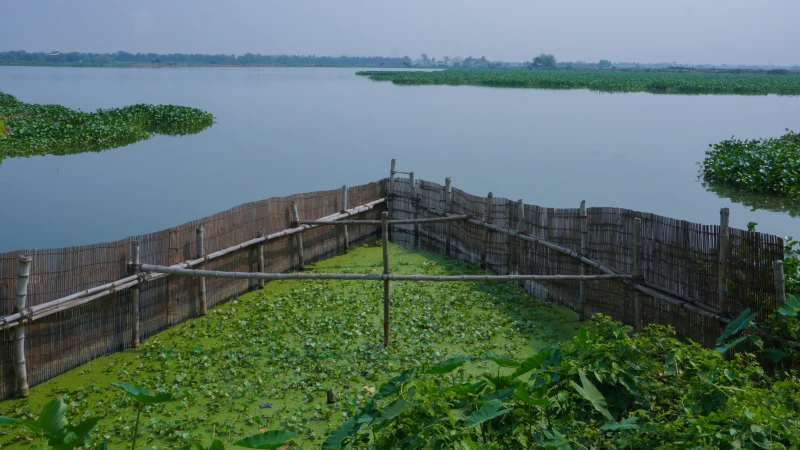
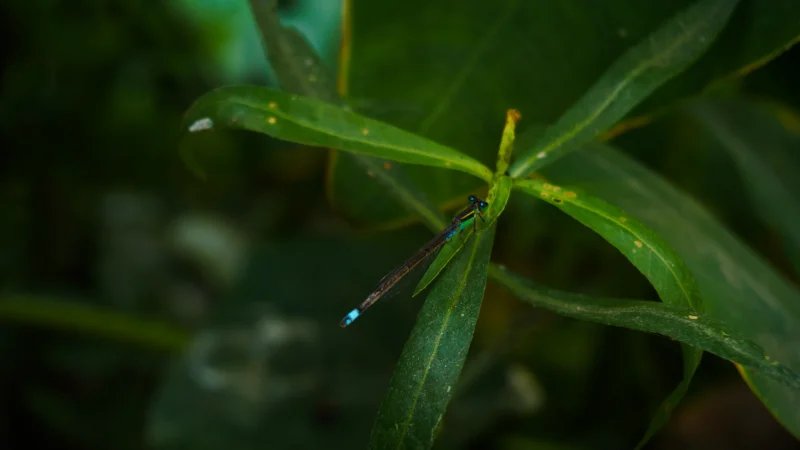
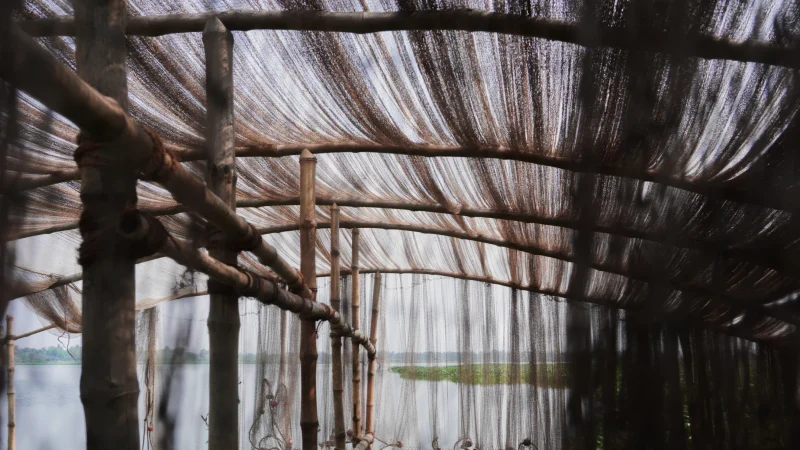
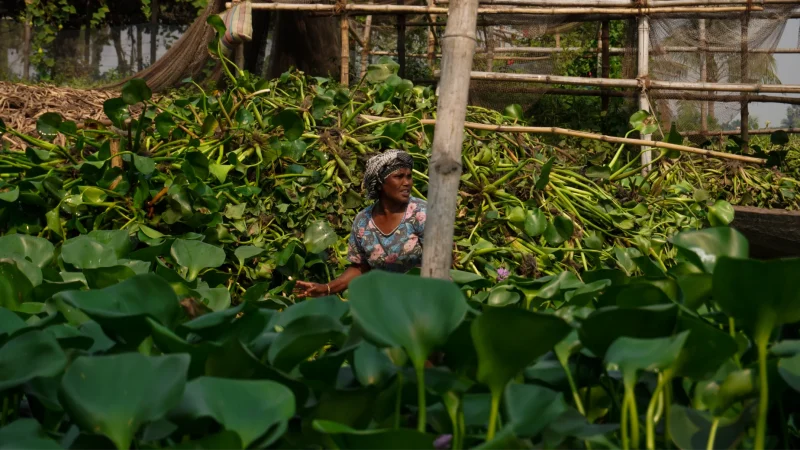
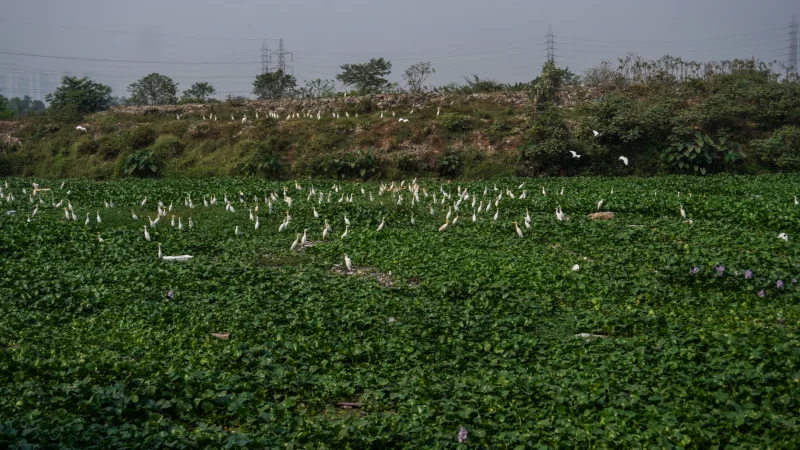
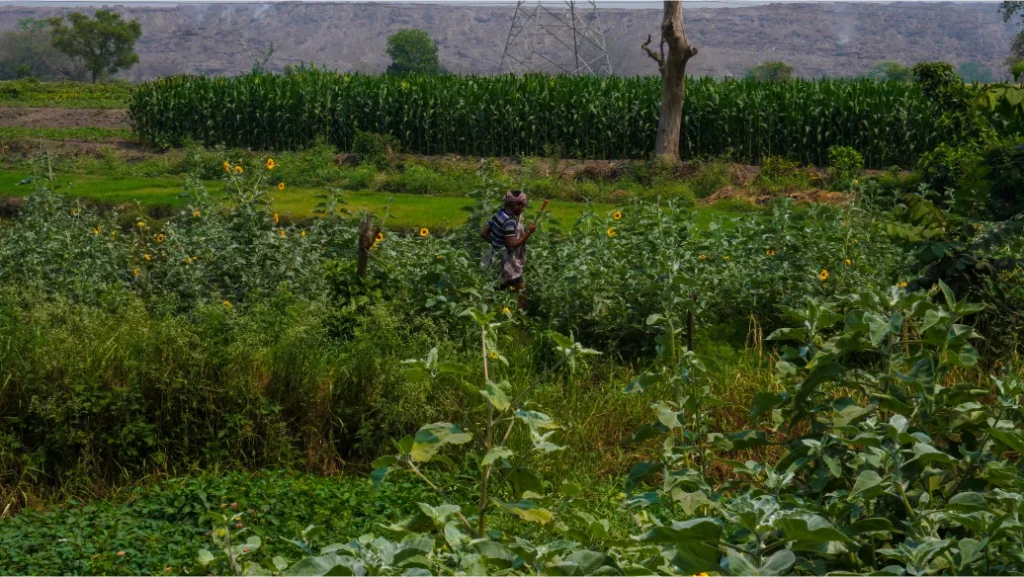
Within the peri-urban ecotone of rapidly urbanizing Kolkata city sits the East Kolkata Wetlands (EKW) who accommodates 254 sewage-fed water bodies, interspersed with farmlands. These wastewater ponds generously serve as the natural sewage treatment plant for the city. Almost 80% of the city’s effluents are treated naturally in the ponds that are used for cultivating a wide variety of fish. The local fishers prepare the wastewater fisheries in natural ways with sunlight, algae, coliforms, and water hyacinths as the ponds receive pre-settled sewage from the Kolkata Metropolitan region. Apart from accommodating the municipal solid waste dumpsite and agricultural fields that produce paddy and vegetables for the city, EKW is a home to a diverse species of flora and fauna who help moderate the city’s temperature gradient, sequester carbon, and regulate monsoon flooding. An exemplary example of sewage-fed aquaculture in the world, EKW is distinguished by interactive management processes within multiple actors whose knowledge and skillsets merge with a strong coordination and effort to set the stage for resource recovery practices. However, rampant unauthorized constructions and chequered socio-political processes are bringing in a host of challenges, threatening the sustainability of this robust socio-ecological infrastructure. Hence, it is urgently necessary to develop a common language for addressing the policies and practices, and actively participate in protecting the EKW.
Weblike wanders of wastewater from the city to the wetlands
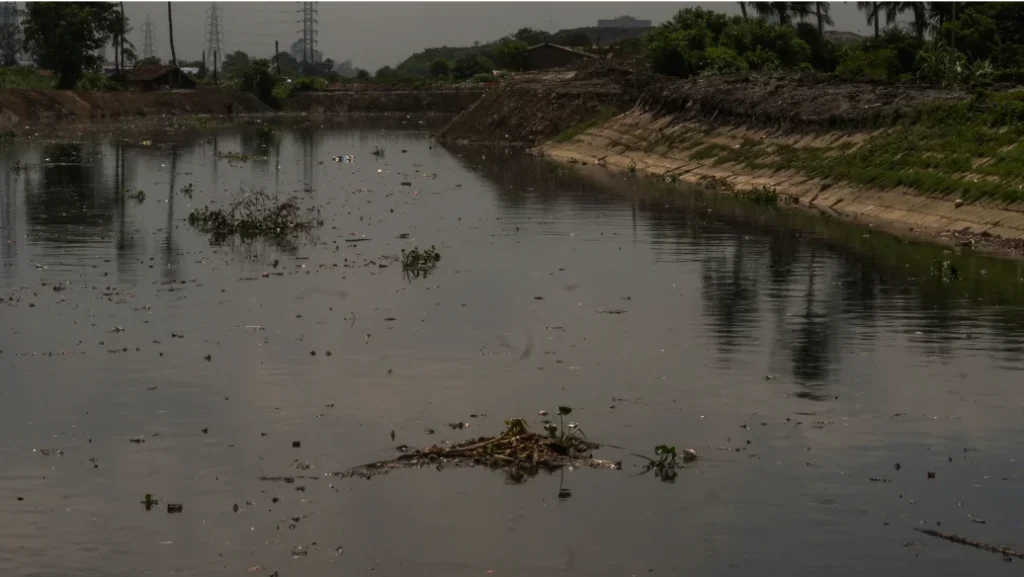
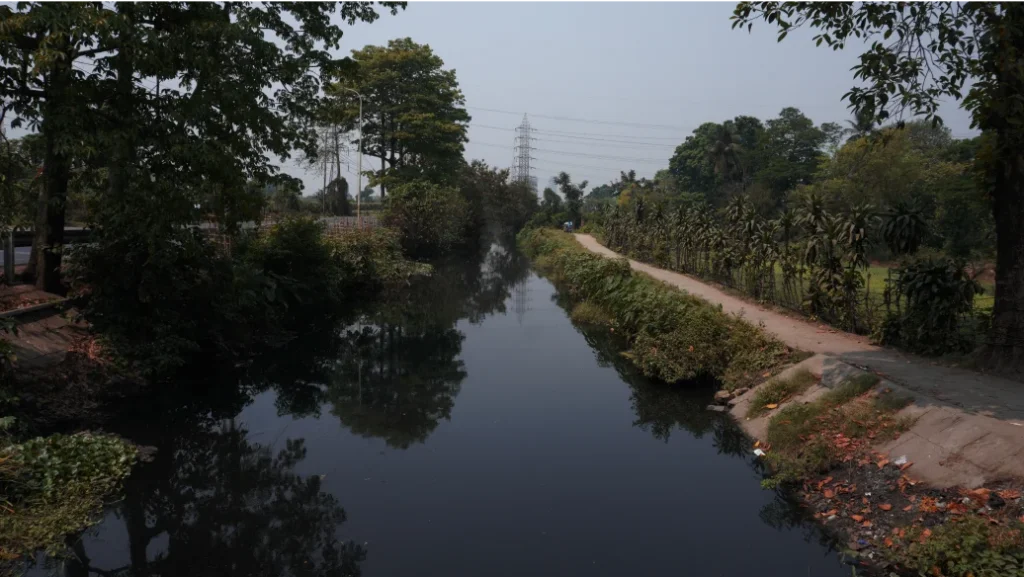
Like the blood vessels of the system, the canals connect the city to her wetlands in carrying wastewater through a complex pathway. Laying out as hard infrastructures that oversee the wastewater distribution in the wetland system, these canals were constructed during the colonial regime with a three-fold purpose of facilitating trade, communication, and drainage, transfer wastewater into the wetlands. There are six excavated canals, part of the Eastern Canal System, dug out between the year 1810 and 1910. These historically alive conduits carry the wastewater from the expanding Kolkata city to feed the fishponds where a variety of fish is cultivated for meeting the city’s everyday food requirements. On the other hand, the stormwater flow and dry weather flow canals receive the storm water as well as the sewerage of dry weather from the city – the storm flow is discharged through the storm weather flow canal to the Kulti River during the monsoons when there is severe waterlogging in the city.
Interconnected canals carrying wastewater
Wetlands ‘unlocked’
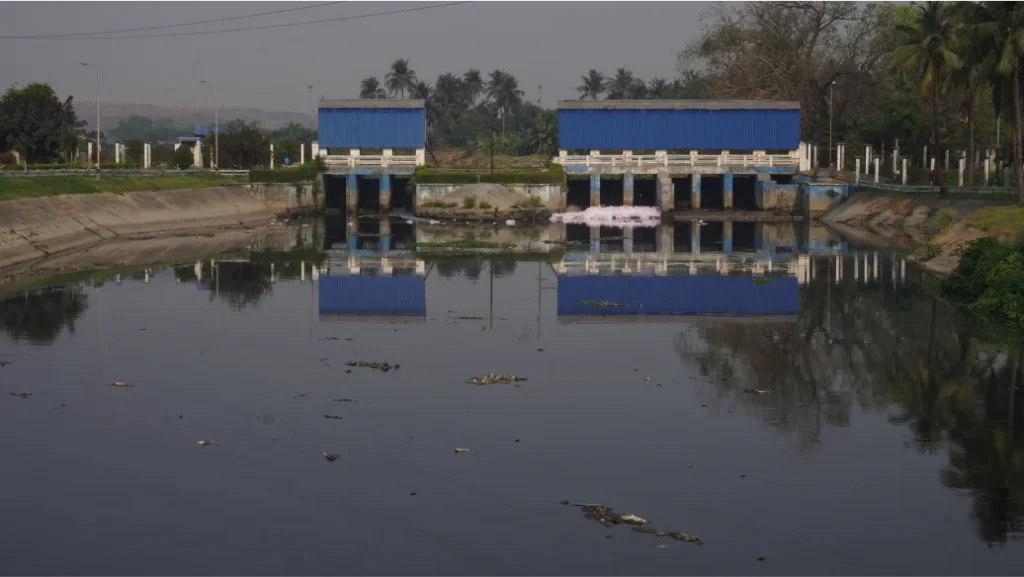
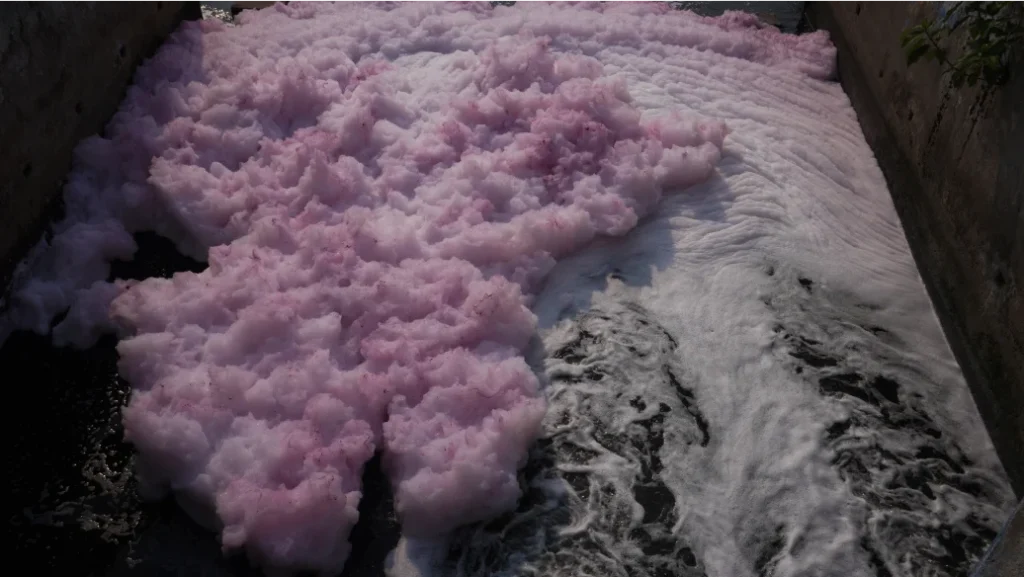
Sluices, pumping stations, lock gates, mortar sewers constitute an intricate networked arrangement, entailing colonial footprints in Bengal and manifesting the role of multiple actors in looking after the functions of multiple organs of the wetland system. An important point for wastewater distribution is the Bantala Lock Gate, a set of 10 sluice gates that are manually operated to distribute sewage under gravity to the fishponds through interconnected carrier channels.
Letting out through inlets
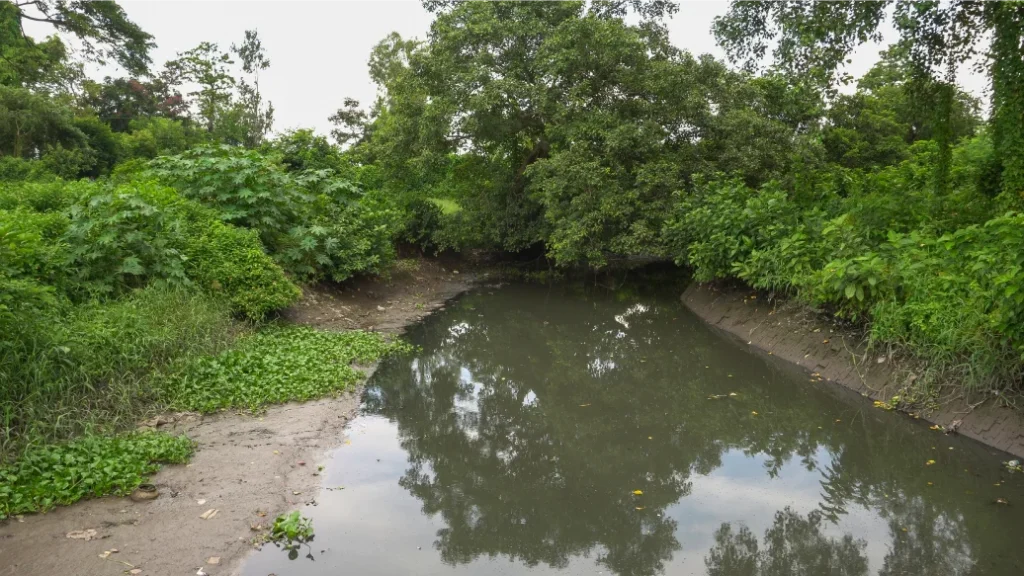
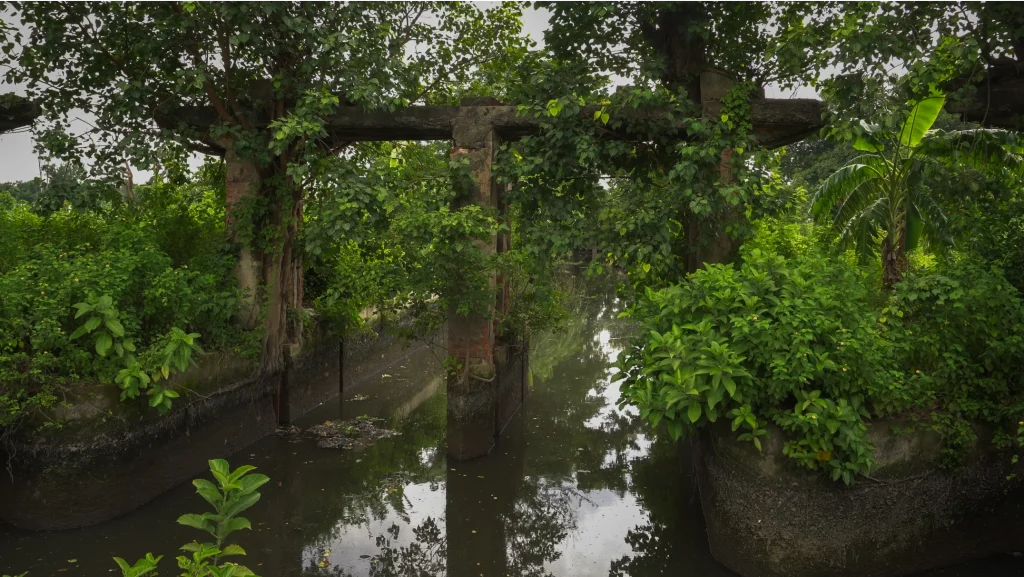
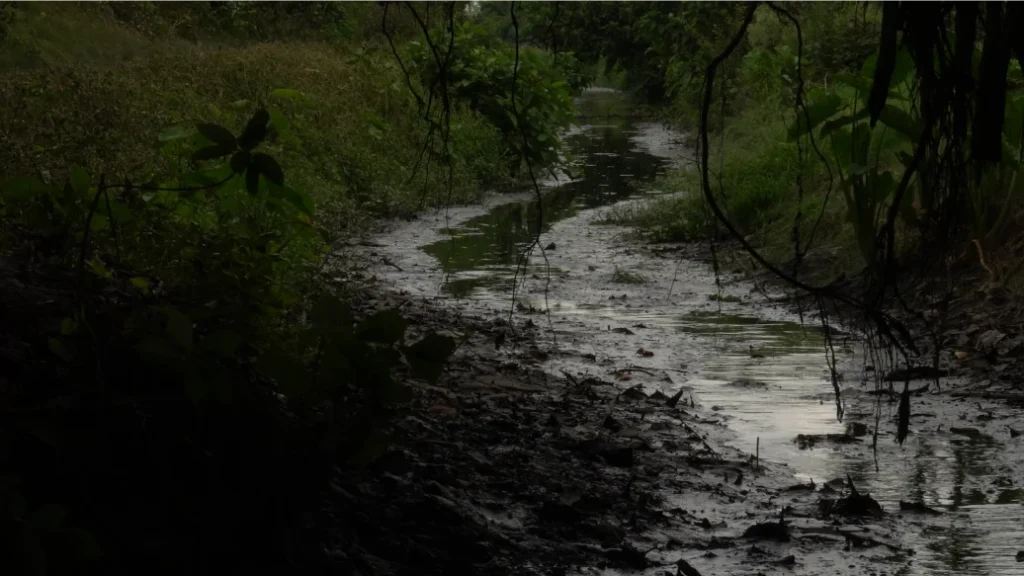
The bheris receive the pre-settled sewage from the DWF through a complex web of locally excavated secondary and tertiary channels. The numerous inlets that connect the main canal to the fishponds and cultivable plots, are filled with the stories of the earliest leaseholders who were encouraged to practice sewage-fed aquaculture and farming by the Corporation during the late 1870s. Like smaller branches emitting out of the bigger ones, these small yet most crucial water trails circulate wastewater in the fishponds. But these streams are not the sole actors behind their functionality, there are human actors too, who has taken charge of time and amount of wastewater release as well as dredging of the inlets.
The multiplicities unfolded
Wastewater and municipal solid waste are co-recycled in the EKW region through traditional recycling mechanisms and recovery practices pursued by fishers and farmers who have “outshone every available stock of knowledge in wastewater recycling anywhere in the world”. Three types of waste stabilization ponds (WSPs) are functional in the EKW: anaerobic ponds, facultative ponds, and maturation ponds.
“In WSPs, natural sewage treatment involves five distinct phases: pond preparation, primary fertilization, fish stocking, secondary fertilization, and fish harvesting.”
More tellingly, each of these phases begins with meticulous and collaborative management of wastewater flow and distribution, which create the conditions for pond preparation and aquaculture practices. In conjunction with coordinated technological operations, fishers’ traditional knowledge, skillsets and wisdom have co-curated the East Kolkata Wetlands, a natural heritage that keeps on weaving a story of multiple actors, practices, values, knowledges, aspirations and involvements.
Actors, actants and activities
“everything flows”
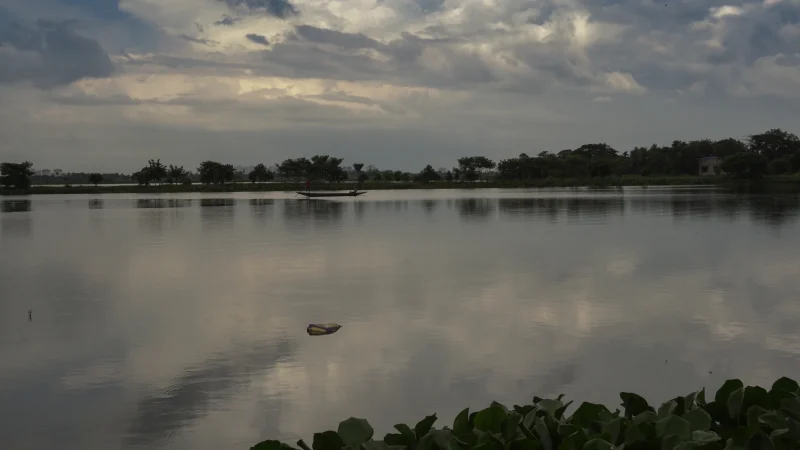
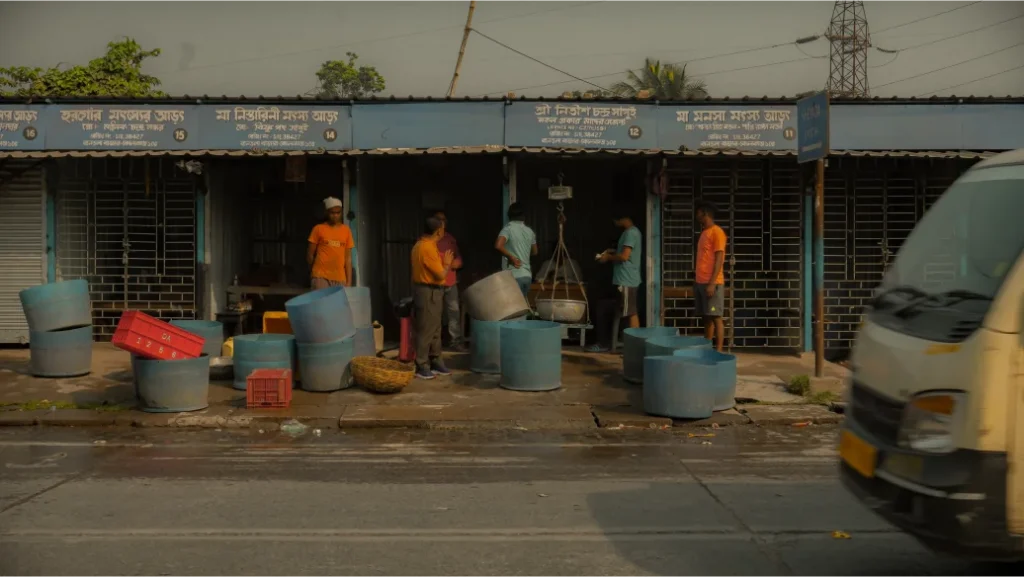
The fish, grown in wastewater not only help thrive the plankton population in the ponds, but also convert the available nutrients in the wastewater into a consumable form. On the other hand, solids are removed, composted, and used to fertilize adjacent rice and vegetable fields in the region. The ecosystem-based livelihood practices enable the fishers and farmers to sell the excess produce to the city markets. How the EKW is a part of the city’s social ecological system is strongly reflected through and reminded by the ‘material flows’ between the two. The wetlands receive wastewater as a resource from the city who, in return, gets the edible materials from the wetlands – an example of inseparable ‘socionature’, rather than a perfect symbiosis.
“The wetlands receive wastewater as a resource from the city who, in return, gets the edible materials from the wetlands – an example of inseparable ‘socionature’, rather than a perfect symbiosis.”
Changes and challenges
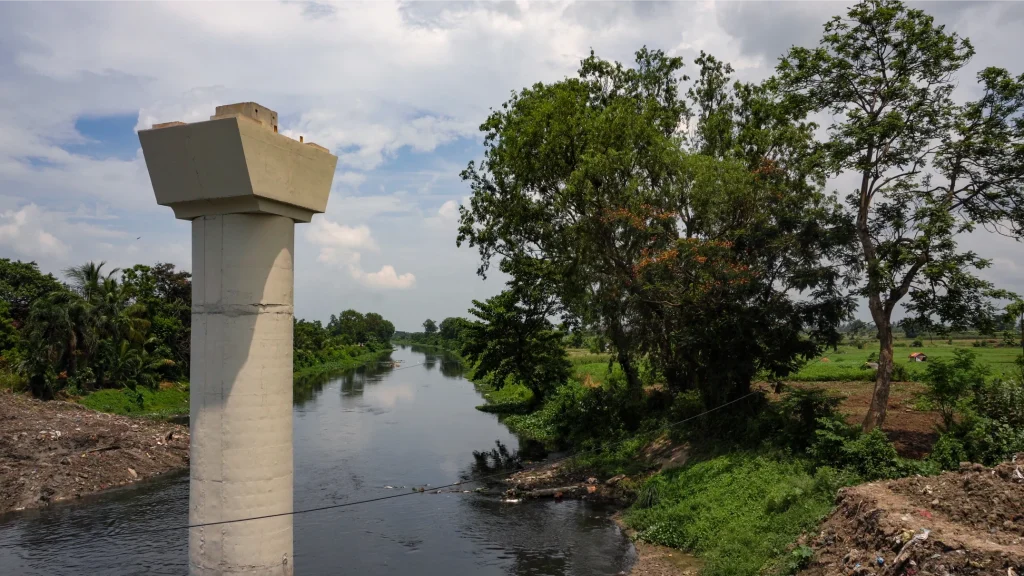
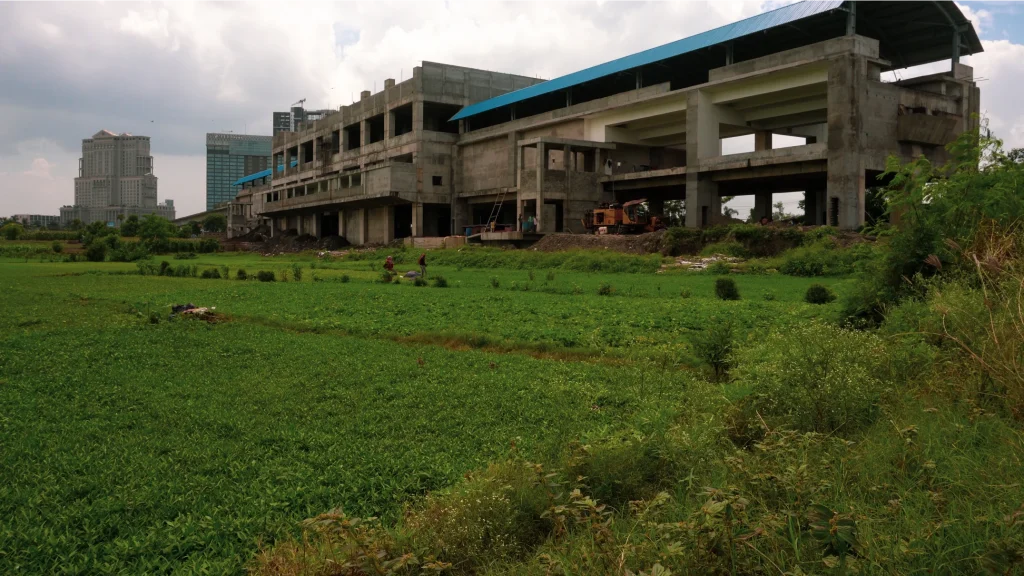
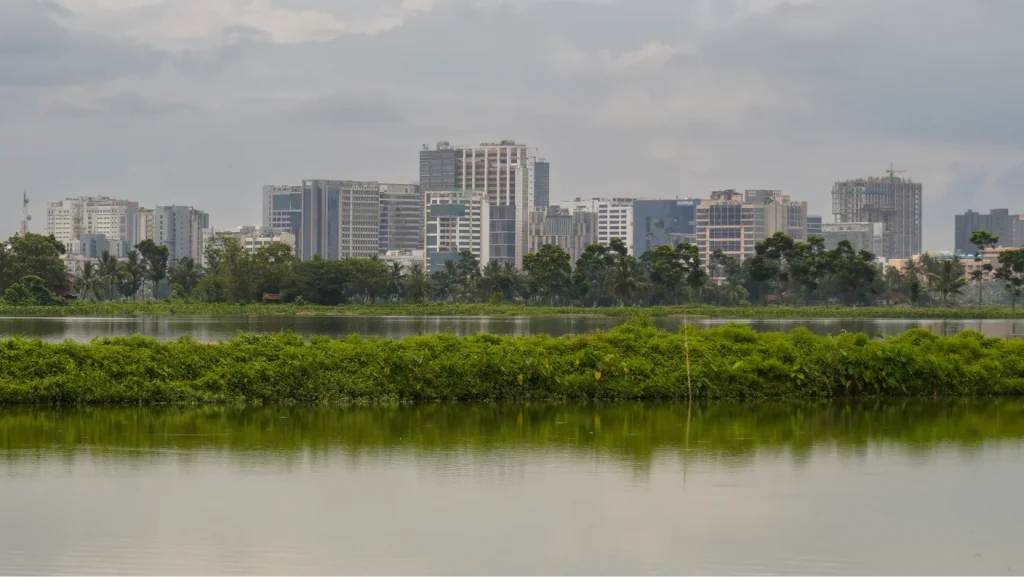
Beginning from the siltation of wastewater channels to the triumphing urbanization processes that trigger real-estate’s encroachments and conversion of wetlands – the resource recovery system is now challenged with innumerable stressors. Unauthorized constructions, commercial ventures, and creation of new lands for the city by filling up the waterbody at the urban frontiers have become commonplace. The social and economic insecurities, shaped by exclusionary governance mechanisms and political equations, are soaking this socioecological space with contestations and negotiations. It is urgently necessary to develop a common language of interaction among local stakeholders, academicians, civil groups, grassroot activists, government agencies and policy makers for collaboration and co-actions against the current sustainability challenges of EKW.
Constructions around the East Kolkata Wetland region